Imagine a dimly lit dining room. Crystal glasses shimmer in candlelight, silver cutlery reflects the soft glow, and each plate is an intricate canvas of colors and textures. Fine dining is far more than nourishment; it is a cultural ritual, a carefully orchestrated performance that conveys taste, social belonging, and aesthetic values. Beyond the pleasure of eating, it reveals the subtle ways in which society, tradition, and identity intersect on the plate.
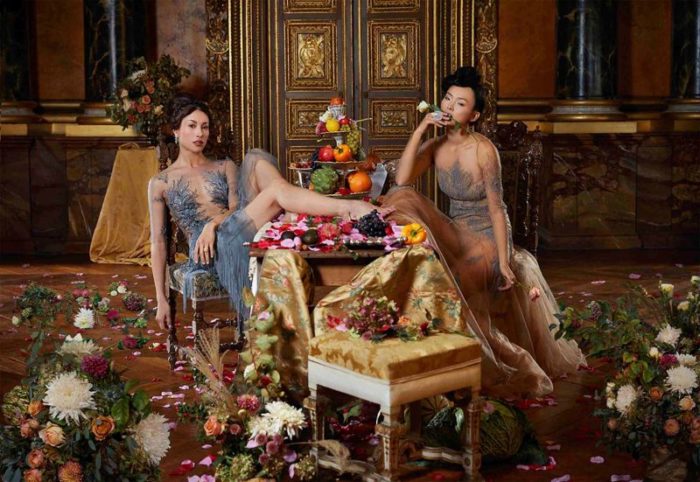
“Haute Jewelery II” by IRIS BROSCH
limited edition of 10
Food is not merely sustenance. As researchers like Medina (2019) and López et al. (2016) highlight, it embodies histories, ideologies, and social codes. Our culinary practices are shaped by cultural norms, social habits, and inherited traditions. Taste preferences, often thought of as purely individual, are deeply entwined with social context. Every choice, from a preference for simple comfort food to an appetite for exotic haute cuisine, can communicate `cultural knowledge´, personal identity, and social alignment. In other words, food is as much a social signal as it is nourishment.

“Take-Out Pearls” by TYLER SHIELDS
limited edition of 3
Pierre Bourdieu’s work on taste demonstrates that culinary practices are inseparable from social class. In his study of eating habits France in the 1960s and 1970s, he distinguished between the working class’ “taste of necessity” and the upper classes’ “taste of freedom” (Bourdieu, 1984). Where one group eats for sustenance, the other eats for choice, refinement, and distinction.
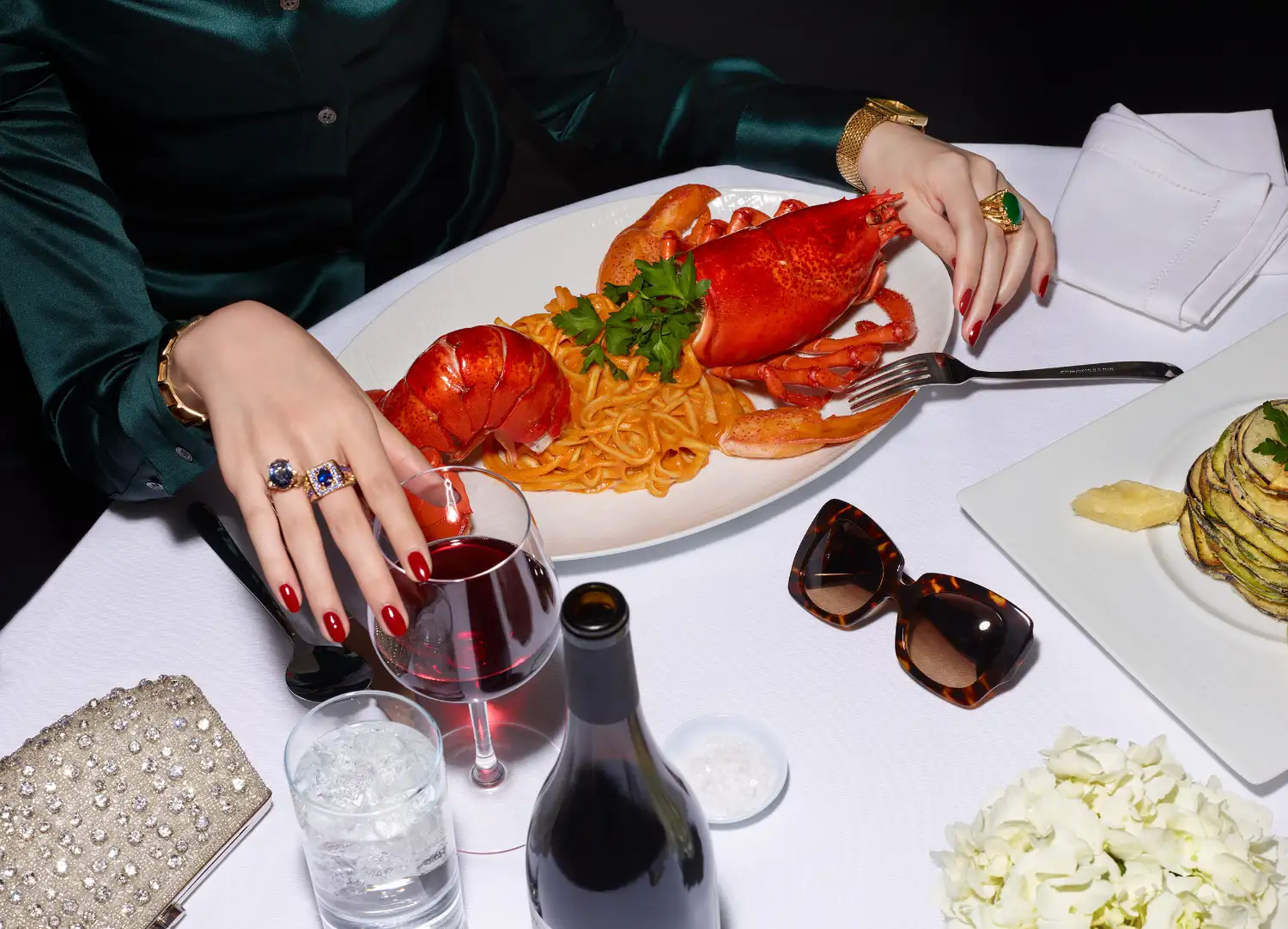
“Cosmopolitan Hotel, Milos” by JESSE FROHMAN
limited edition of 15
This framework has been widely adapted to explore how social status is expressed and reinforced through food. Eating habits can mark one’s place in society, shape perceptions of self and others, and even serve as a mechanism for social distinction (Oncini, 2019; Baumann et al., 2019; Pachucki et al., 2007; Edelmann, 2018; Jordan, 2007). Fine dining, then, is not just about taste: it is a subtle performance of identity and power.
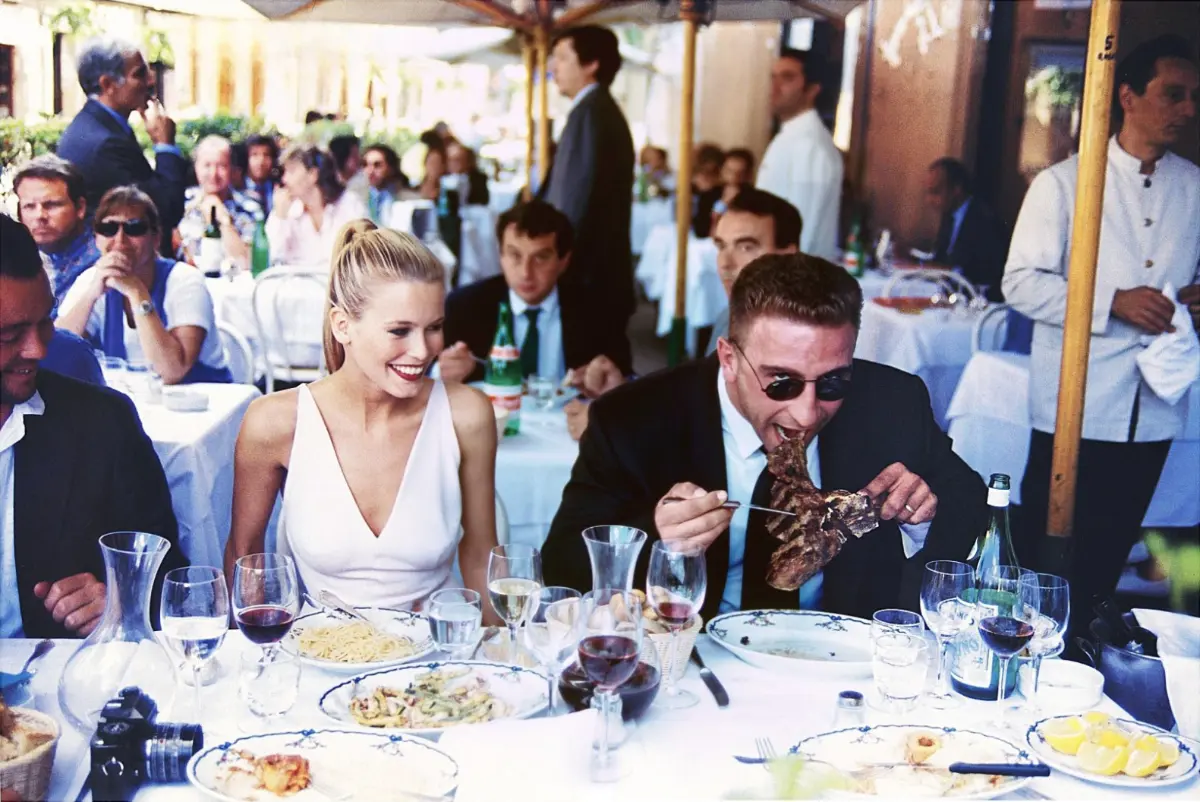
“Claudia Schiffer, Lunch in Rome” by ARTHUR ELGORT
limited edition of 10
Fine dining extends beyond the plate into the realm of representation, particularly through fine art photography. Food photography and playful Fine dining photographs are not mere documentation; it is a carefully composed art form that conveys narratives of taste, refinement, and exclusivity.
Through lighting, composition, and context, photographers elevate fine dining into a symbol of status and cultural capital. A single fine art photography of a meticulously plated dish and its environment communicates not only its aesthetic appeal but also the social identity of those who can access it. In this way, fine art photography becomes a medium for making visible the invisible codes of social distinction embedded in culinary culture.
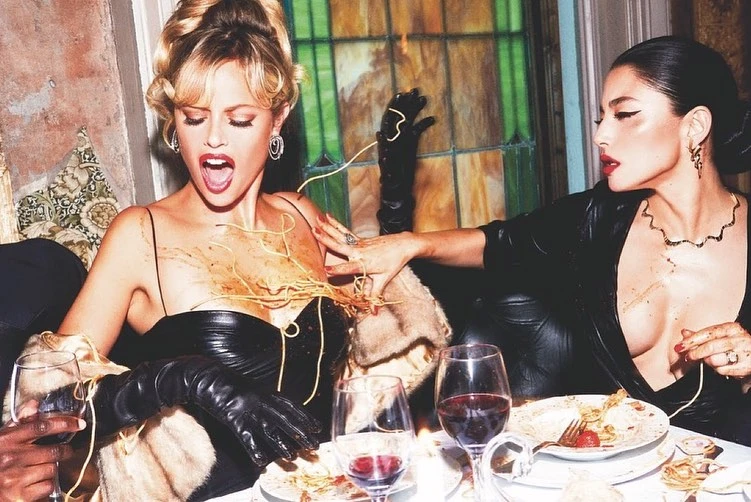
“Pasta Fight” by ELLEN VON UNWERTH
limited edition of 3
While fine dining can elegantly communicate taste and refinement, it also reinforces structural inequalities. The rituals, price points, and exclusivity inherent to haute cuisine often make it accessible only to those with economic and cultural capital, reproducing social hierarchies rather than challenging them.
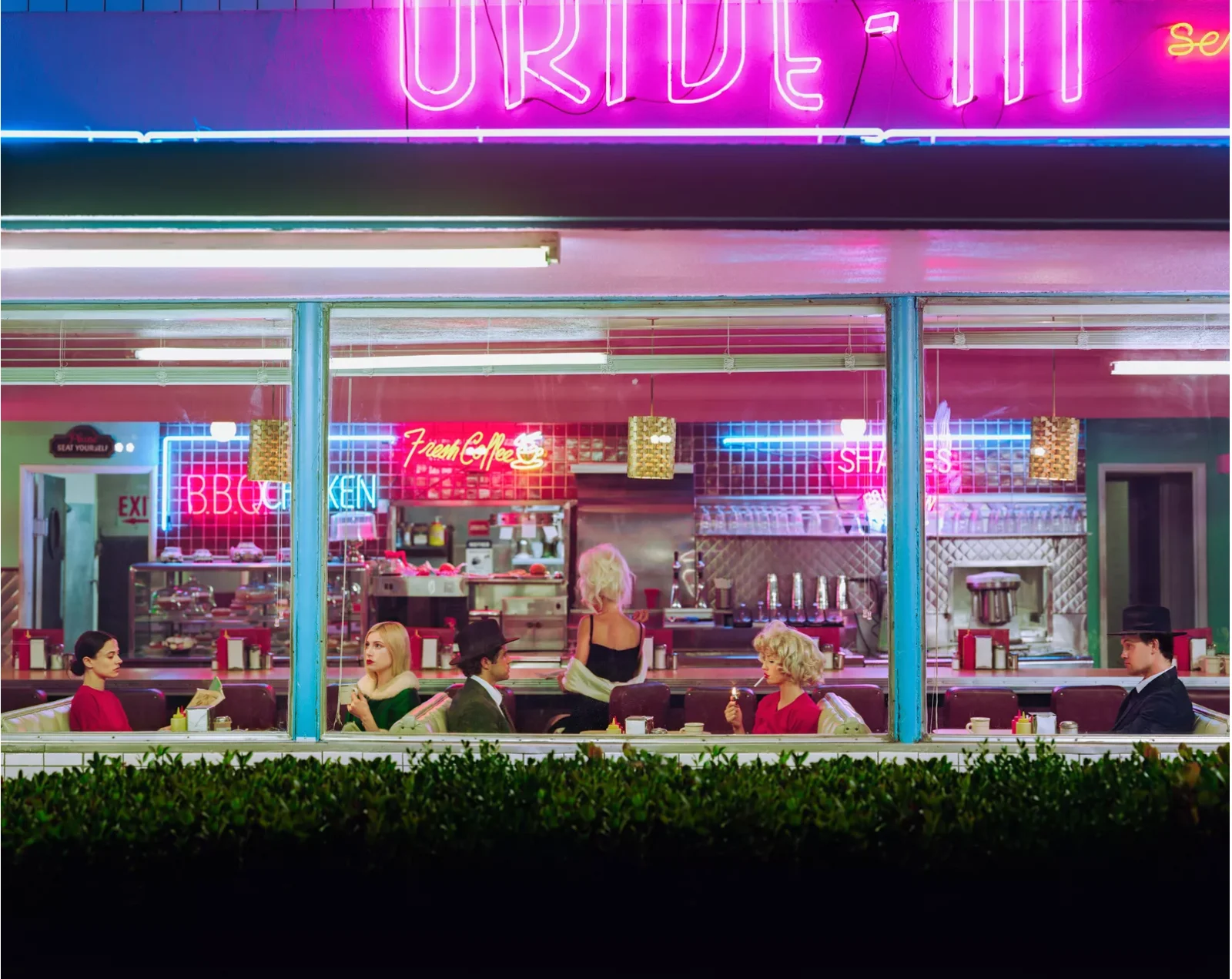
“The Diner” by TYLER SHIELDS
limited edition of 3
Bourdieu’s framework highlights this tension: the “taste of freedom” associated with upper-class culinary choices can marginalize other forms of eating as inferior or unsophisticated. Fine art photography further amplifies this effect. Images of meticulously plated dishes not only showcase culinary craftsmanship but also signal aspirational lifestyles. While visually stunning, these images can inadvertently perpetuate elitism by presenting specific tastes and habits as inherently superior, making the social codes around food less transparent to those outside these circles.
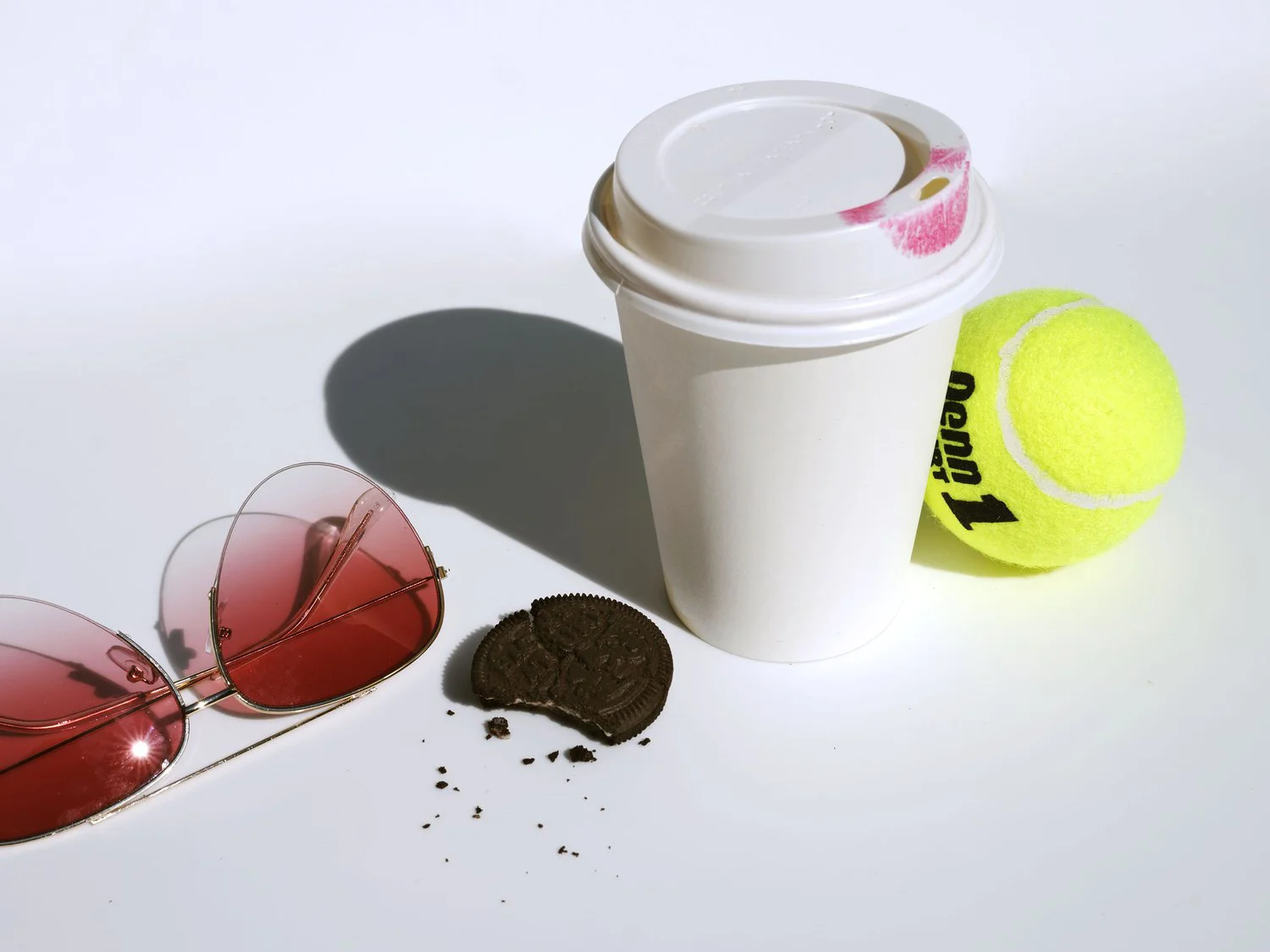
“Shelter Island Still Life” by JESSE FROHMAN
limited edition of 15
However, there are some Fine Art photographers who play with such a narrative, over pronouncing the societal meaning of such luxury objects in their photography and underlining them with a satirical note, encouraging critical thinking of such norms.
In the end: Who benefits from these distinctions, and how might food culture evolve to be more inclusive while still celebrating artistry?
Recognizing the symbolic power of taste is not only about appreciating refinement but also about questioning whose voices and experiences are represented and valued.
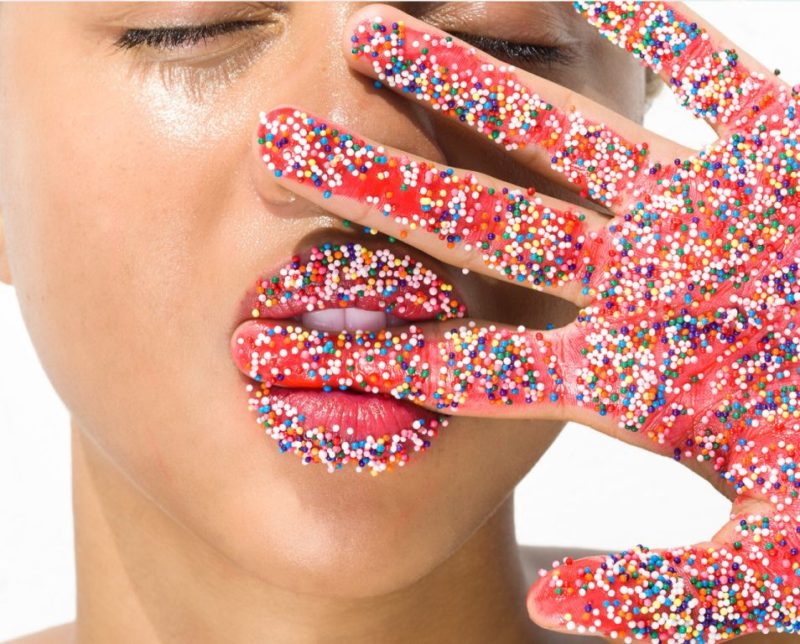
“Candy Fingers” by SYLVIE BLUM
limited edition of 10
Fine dining and fine art photography share a secret: both are about celebration. One celebrates taste and aesthetics on the plate, the other captures beauty, emotion, and attitude in a frame. Together, they show that enjoying life isn’t just about eating—it’s about savoring experiences, art, and culture.
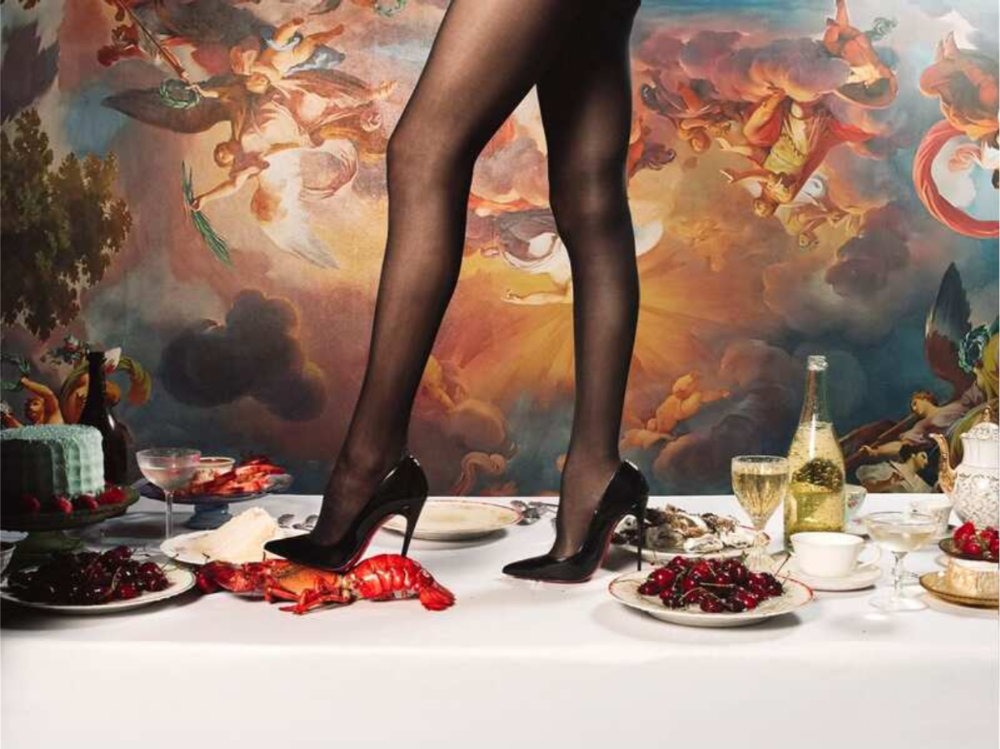
“High Heel Dinner” by TYLER SHIELDS
limited edition of 3
Whether experienced in person or through the lens of a camera, food tells stories of culture, power, and identity. Fine dining and fine art photography provide a window into the subtle social structures that shape taste and habitus. Consider what your fine dining and fine art photography tell about society itself.

“Chlow Hayward” by ELLEN VON UNWERTH
limited edition of 3