There is a particular pleasure in discovering that the art world is not quite as inaccessible as it sometimes appears. Fine art photography is one of those quietly elegant corners of the market where serious, collectible works by established artists can still be found for around €1,500 to €5,000 — often signed, numbered and produced in strictly limited editions.
What makes a fine art photograph different from an ordinary print is not simply the image, but the object itself. The photographer determines the paper, scale, printing process and edition size, and each work enters the world as part of a carefully controlled body of pieces. A number such as 3/15 means exactly that: this is the third print in an edition of fifteen. Once the edition is complete, there are no more.

“Pink Feet, Christian Lacroix Haute Couture Paris” by GÉRARD UFÉRAS
That scarcity gives photography an intriguing position in the art market. Unlike endlessly reproducible images, a limited edition has a finite supply, and once the final print has found a home, the work can only reappear if a collector decides to part with it. This does not guarantee that prices will rise, of course, but it does change the character of the object. It becomes something with provenance, rarity and a life beyond the wall it hangs on.
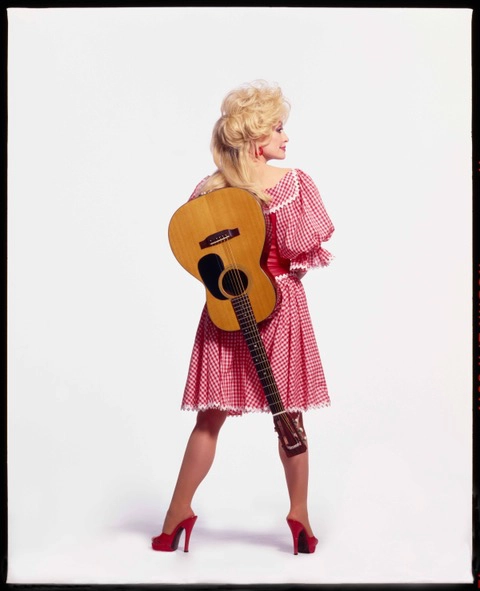
“Dolly Parton, Color”
by TIMOTHY WHITE

“Whoopi Goldberg (On the Toilet), 2020”
by TIMOTHY WHITE
The artists themselves make this particular group especially interesting. Guido Argentini turns the body into something sculptural and almost mythological; Howard Schatz explores movement, anatomy and illusion; Tim Flach gives animals the psychological presence of portrait subjects. Gérard Uféras finds poetry in the backstage rituals of fashion and Theatre, while Timothy White and Nigel Parry transform familiar cultural figures into images that feel intimate, strange and enduring.

“Epona, Gold Series” by GUIDO ARGENTINI
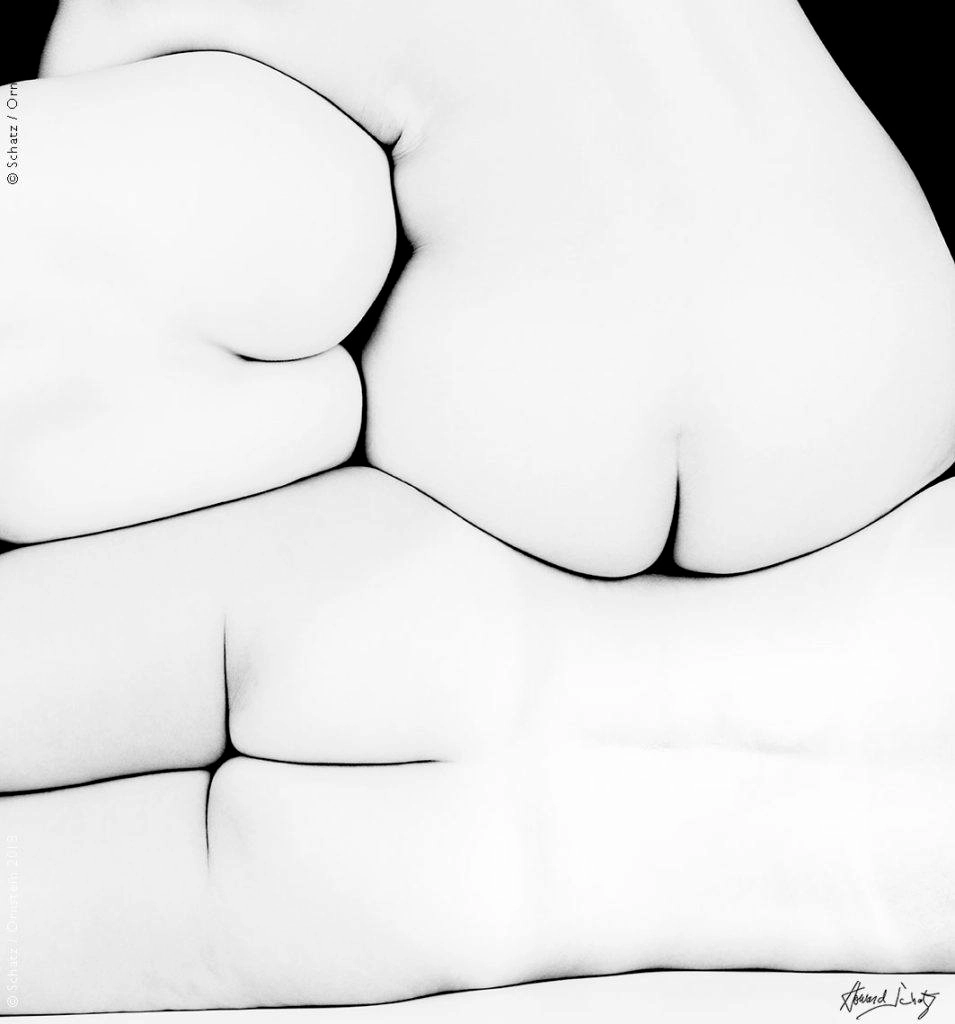
“Folds Study #1494” by HOWARD SCHATZ
Then there is Tyler Shields, whose world is all glossy surfaces, provocation and beautifully controlled excess: Ferraris in flames, luxury handbags, red lips, Rolls-Royces. His photographs borrow the seductive language of fashion and advertising, then twist it into something more playful and subversive. They feel immediately recognisable, yet slightly dangerous — which is perhaps why they stay in the mind.

“Ferrari on Fire” by TYLER SHIELDS
Part of the charm of collecting living artists is that the relationship to the work still feels direct. These pieces are signed and numbered by the artists themselves, not retrospectively stamped by an estate decades later. There is something quietly special about owning a work that passed through the hands of the person who made it, while their career is still unfolding.

“Vivienne Westwood, SEX 1993” by NIGEL PARRY

“Prada Bubblegum” by TYLER SHIELDS
And this is where the market becomes interesting. If an edition sells out, supply is fixed. If an artist’s reputation grows, museum attention increases or particular images become iconic, demand can change considerably. When an artist eventually dies, no new lifetime-signed works can be created. None of this should be treated as a promise of investment return, but it is part of what gives certain photographs their long-term collectable significance.
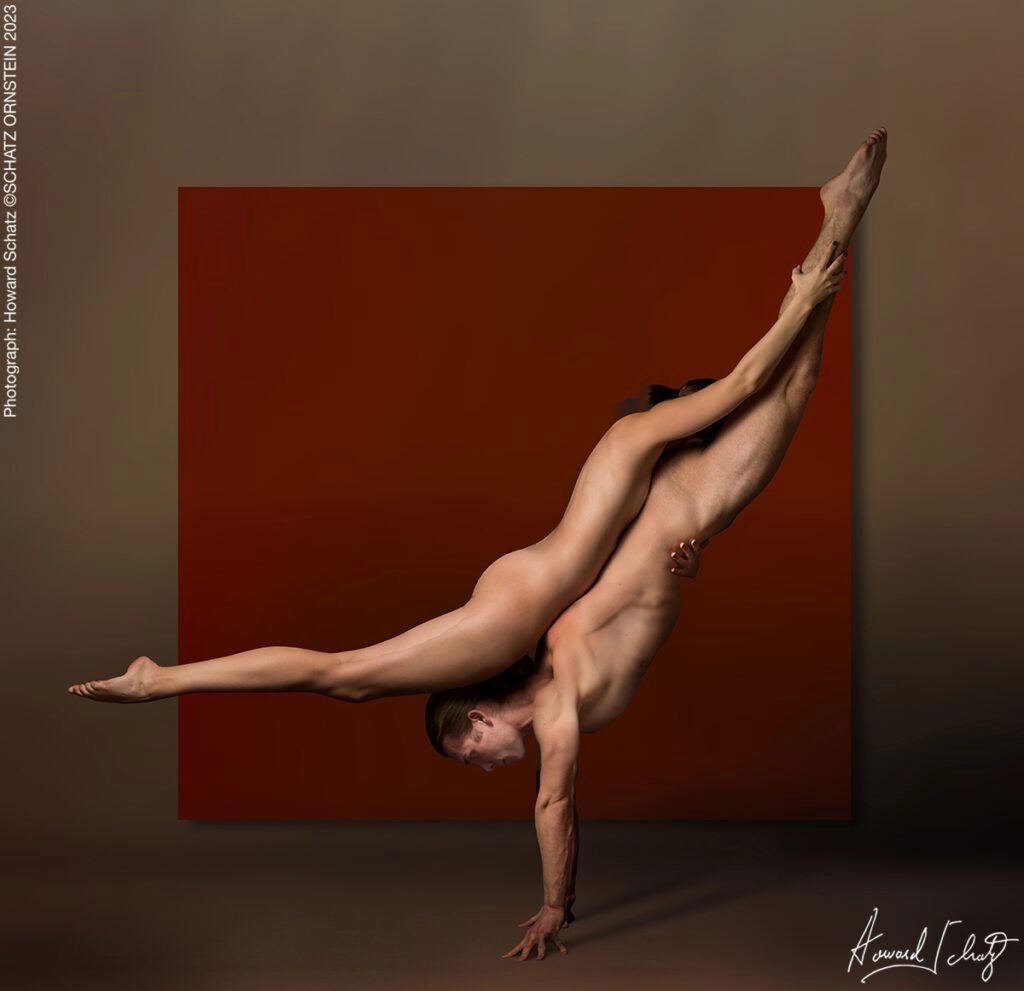
“Human Body Study, PAIRS #106, 2022” by HOWARD SCHATZ
Perhaps the real surprise is the price point. In a world where several thousand euros can disappear easily into a watch, a handbag, a weekend away or a piece of furniture, the idea of owning a signed limited-edition artwork by an internationally recognised photographer suddenly feels far less remote. Not inexpensive, certainly — but attainable in a way many people do not expect.
That may be the best way to think about fine art photography: not as an “entry-level” version of collecting, but as a rather well-kept secret. Beautiful, scarce, intellectually alive and still accessible enough to be discovered before everyone else starts looking.

“Chanel Haute Couture automne hiver, 200/01”
by GÉRARD UFÉRAS

“Scala, Ballerina with Tutu, Behind the Scenes”
by GÉRARD UFÉRAS