Some photographs document the world. Others change the way we see it. In the work of Austrian photographer Andreas H. Bitesnich, familiar cities, distant landscapes and fleeting human encounters become something far more evocative than records of a place. They become meditations on time, beauty and the experience of being somewhere — images that invite us to look, and then look again.
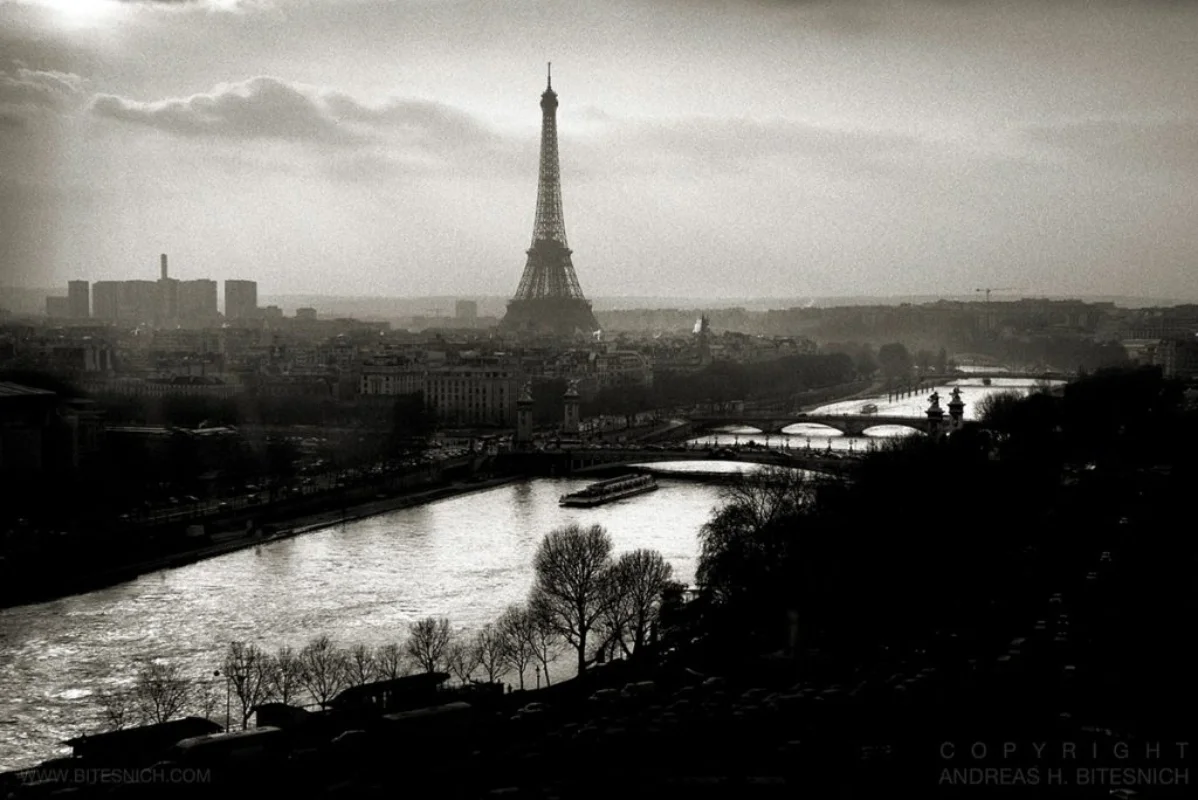
“Paris Scenes, Eiffeltower, Deeper Shades” by ANDREAS H. BITESNICH
Bitesnich has developed an unmistakable photographic language, distinguished by dramatic contrasts, meticulous composition and an extraordinary sensitivity to light. His images often occupy a space between photography and cinema, where shadows carry as much significance as the subjects themselves. This visual precision gives his work a rare quality: it feels immediately recognisable, yet never entirely reveals itself at first glance.
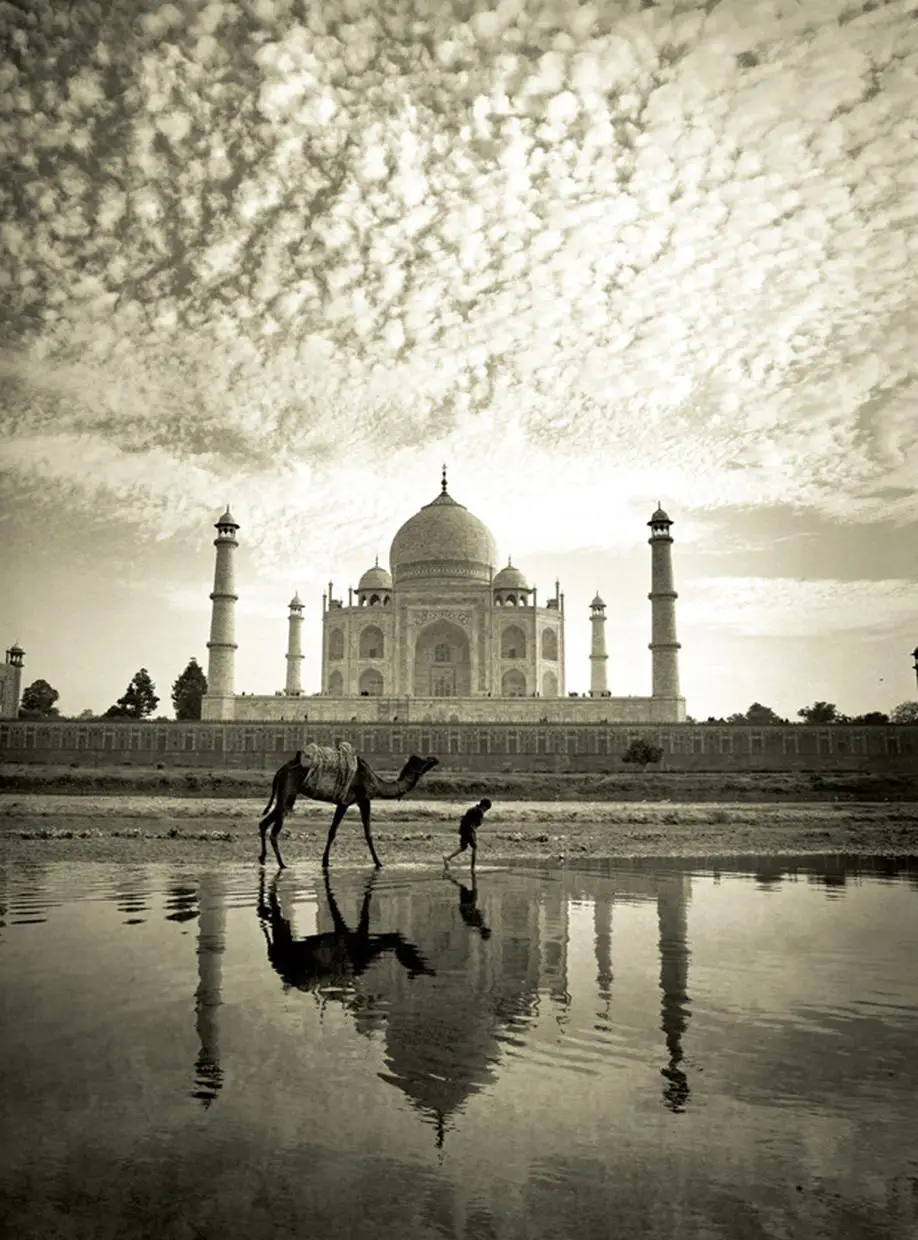
“Taj Mahal, Agra, India 2006”
by ANDREAS H. BITESNICH

“Rathaus, Vienna 2015”
by ANDREAS H. BITESNICH
In his celebrated Deeper Shades series, Bitesnich moves beyond conventional travel photography. Paris, Vienna, Tokyo and New York emerge as atmospheric worlds rather than familiar destinations. Architecture becomes sculptural, streets acquire an almost theatrical presence, and the anonymity of the metropolis takes on a strangely intimate character. These are not simply portraits of cities, but reflections on how we experience them.
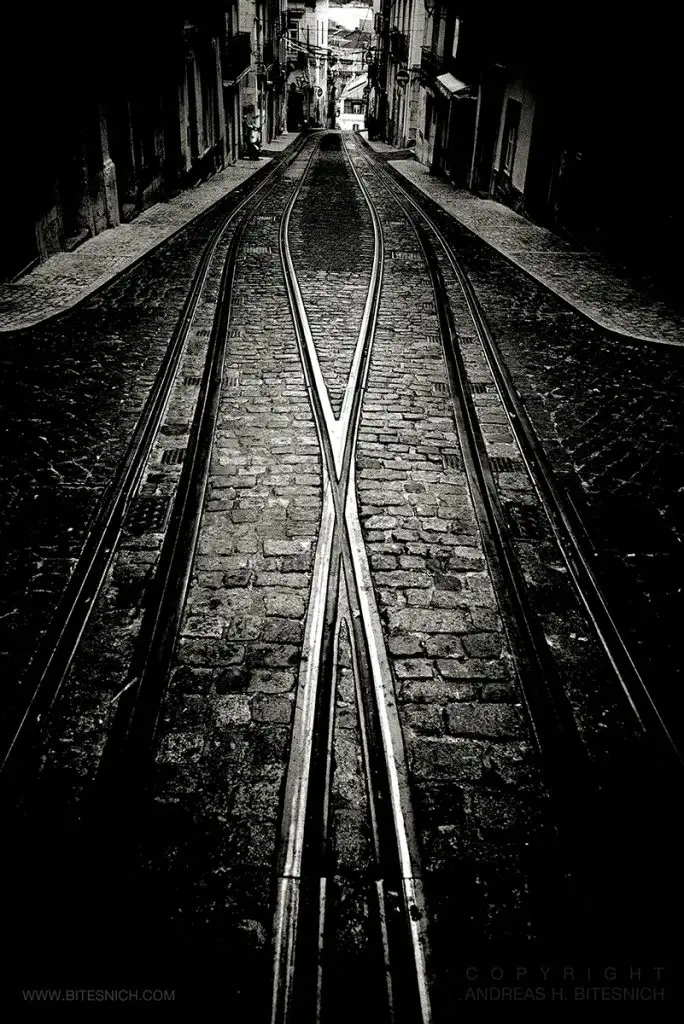
“Crossing Tram Tracks Lisbon” by
ANDREAS H. BITESNICH

“Lovers Paris”
by ANDREAS H. BITESNICH
Consider the three cityscapes View over Tokyo, Looking South from the Empire State Building and Champs-Élysées. Together, they offer a fascinating study of urban civilisation. Each city possesses its own visual rhythm, yet Bitesnich reveals a shared language of geometry, ambition and human ingenuity. Viewed as a triptych, the photographs open a dialogue between architecture, culture and the ever-changing nature of modern life.
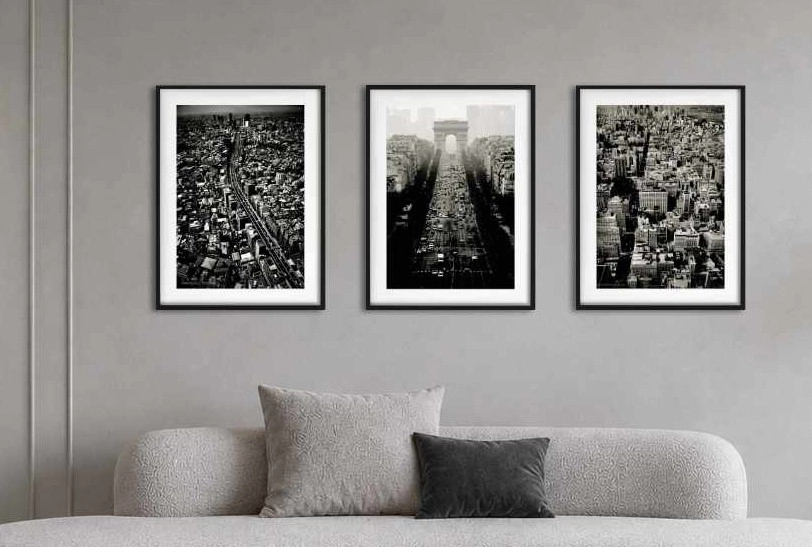
“View over Tokyo” “Champs-Elysées” “Looking South from Empire State Building” by ANDREAS H. BITESNICH
Elsewhere, Bitesnich’s gaze turns towards the quieter, less monumental moments of travel. In Floating Market, Bangkok (1999), the poetry of everyday commerce unfolds through an intimate human encounter. In Inner Courtyard, Samode (2006), a solitary buffalo against weathered turquoise walls becomes an unexpectedly compelling portrait of place. These images reveal a photographer who understands that cultural richness is often found in the seemingly ordinary.
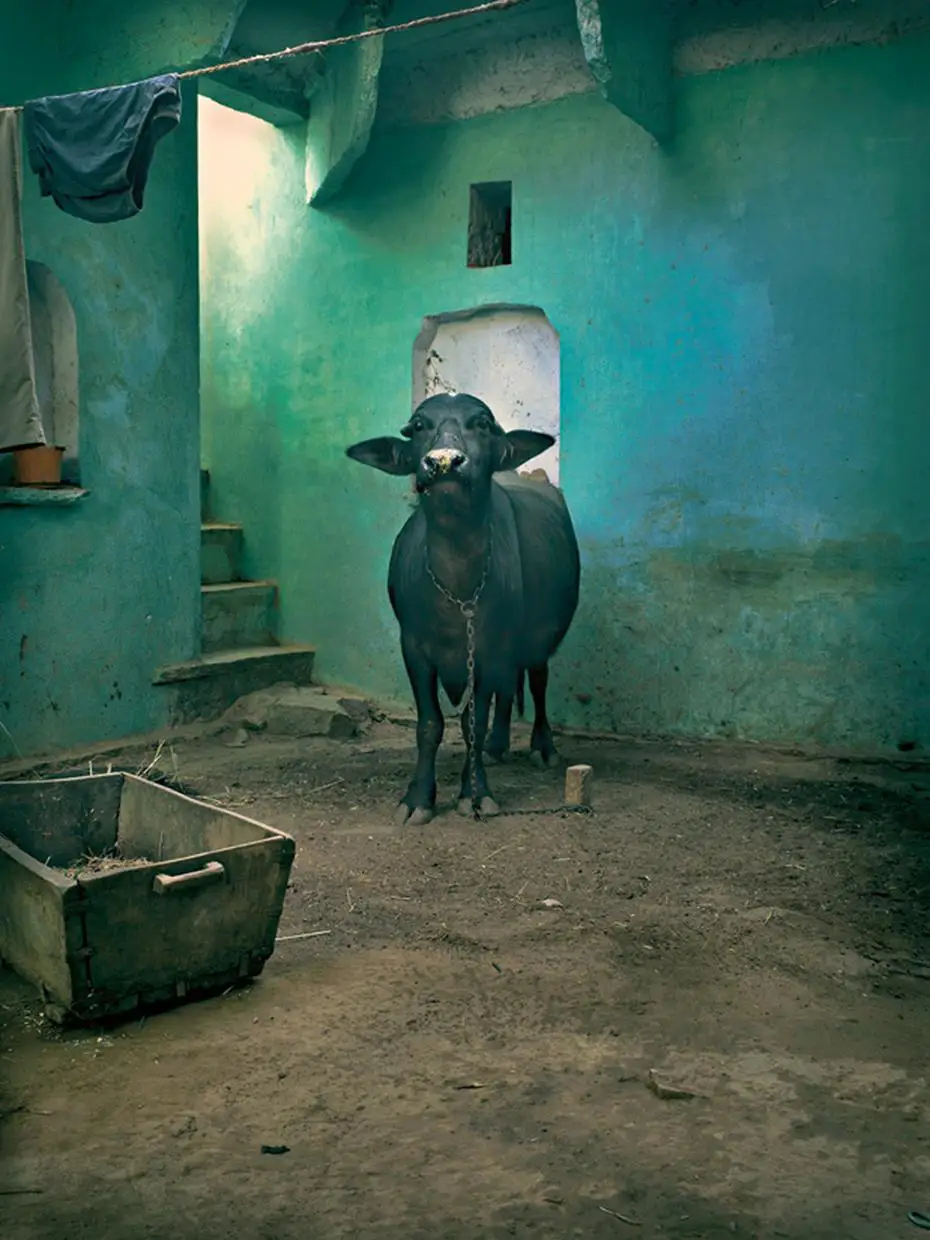
“Inner Courtyard, Samode 2006”
by ANDREAS H. BITESNICH
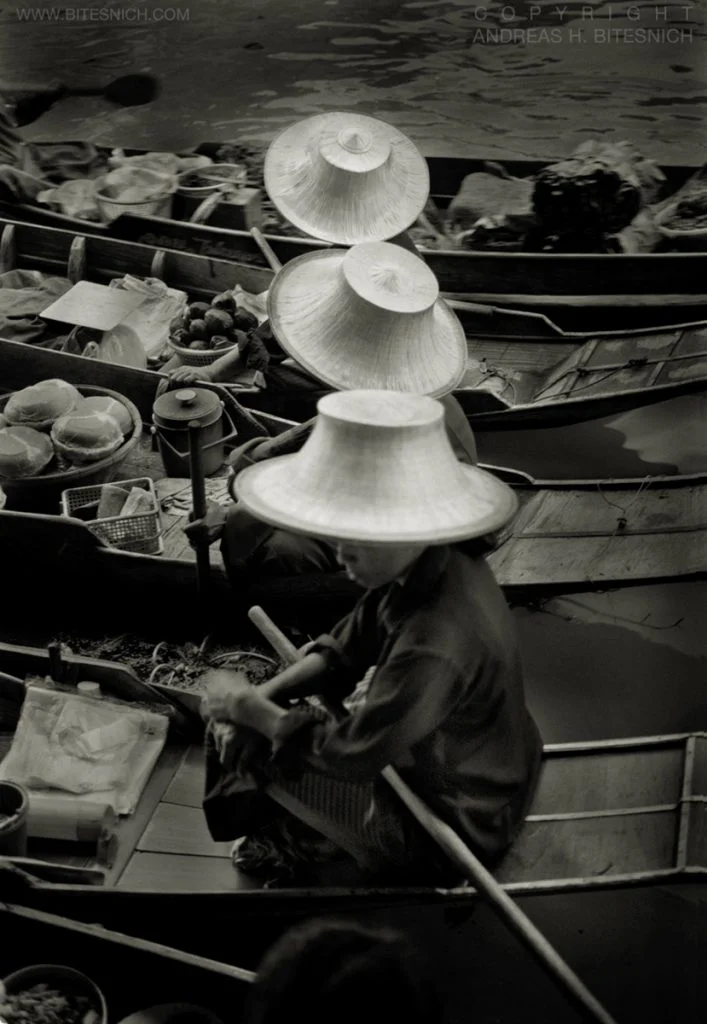
“Floating Market Bankok, 1999”
by ANDREAS H. BITESNICH
What makes Bitesnich’s photography particularly compelling is this balance between aesthetic mastery and emotional resonance. His photographs reward prolonged contemplation. Their carefully constructed compositions reveal new details over time, while their atmospheric depth allows for individual interpretation. It is precisely this openness that gives a photographic work its lasting presence — the ability to remain relevant and intriguing long after the first encounter.

“Moulin Rouge Paris” by ANDREAS H. BITESNICH
There is also something deeply rewarding about living with photographs that carry a sense of the wider world. A cityscape may evoke architecture, history or the energy of a particular era; a quiet street scene may recall a journey taken or inspire one still to come. Such works bring more than visual beauty into a space. They introduce perspective, curiosity and an ongoing conversation between personal experience and artistic vision.
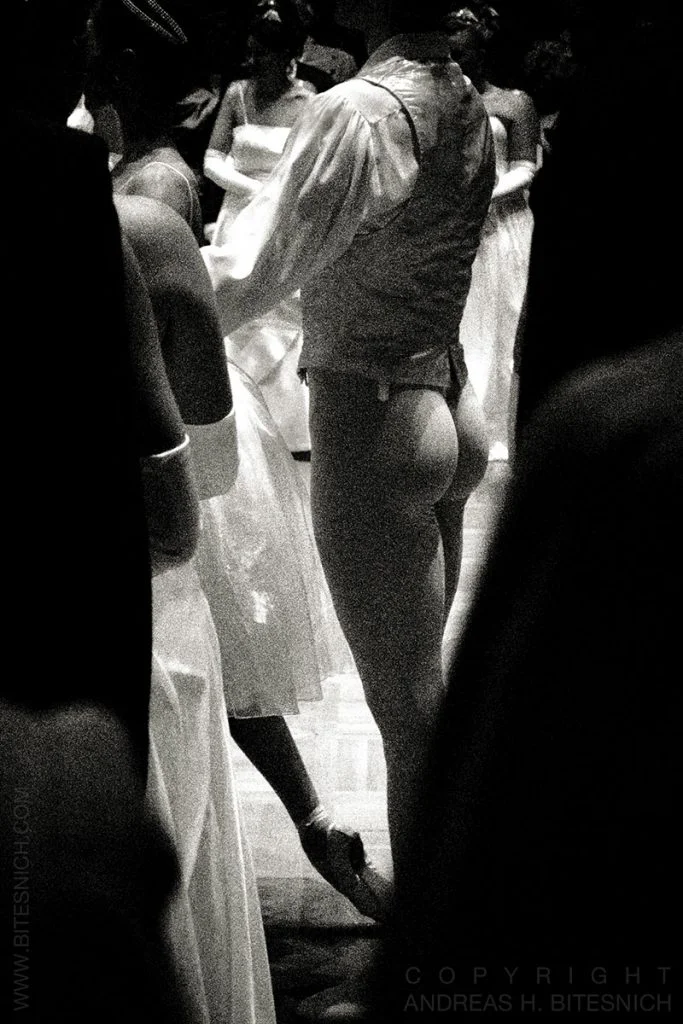
“Opera Ball Vienna, 2015”
by ANDREAS H. BITESNICH

“Deeper Shades of Vienna III”
by ANDREAS H. BITESNICH
As autumn arrives and the memories of summer journeys begin to settle, this selection of Bitesnich’s photographs feels especially resonant. Dark, atmospheric and quietly nostalgic, the works remind us that the most meaningful images are not necessarily those that show us somewhere new, but those that allow us to discover something new each time we return to them. The pleasure of collecting photography lies, after all, not simply in owning an image, but in living with a way of seeing.