Some models are photographed; others become inseparable from the images made of them. “Becoming Iconic” brings together limited-edition works by Rankin, Ellen von Unwerth, Albert Watson and Kristian Schuller to explore that transformation: the moment when a model moves beyond fashion and enters the wider visual culture. These photographs are not simply records of beauty. They show how presence, performance and image-making combine to create an icon.

“Sparkly Gisele, 1998” by RANKIN
The selection spans several generations of women who helped redefine what a model could be: from Claudia Schiffer to Helena Christensen, from Gisele Bündchen, Kate Moss and Cindy Crawford to Adriana Lima, Elle Macpherson, Coco Rocha and Bella Hadid. Their appeal lies not only in recognition, but in individuality. Each brings a distinct physical language to the camera — a way of looking, moving and occupying the frame that makes the image unmistakably her own.

“Wicked, Adriana Lima”
by ELLEN VON UNWERTH

“Crash, Elle Macpherson, 2004”
by ELLEN VON UNWERTH
The rise of the supermodel marked a fundamental shift in fashion culture. From the late 1980s onwards, certain models began to command the kind of attention once reserved for musicians and film stars. They were no longer anonymous carriers of clothes, but personalities with global visibility and cultural authority. Their names became as important as the designers they wore. Fashion discovered that a face could carry an entire mythology.
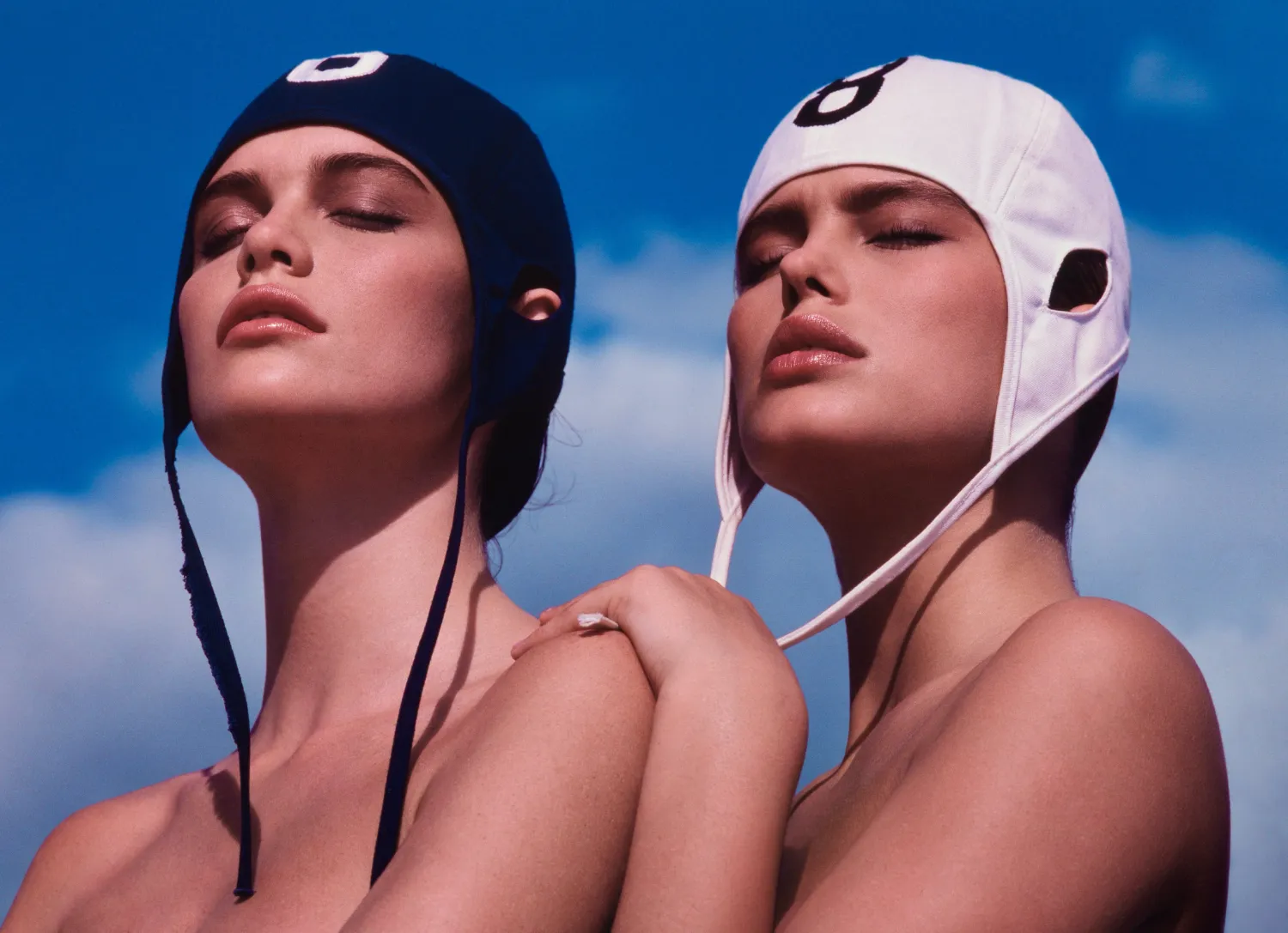
Betty Prado & Renee Simonsen in Swim Caps, Montrouis, Haiti 1983″ by ALBERT WATSON
To become iconic, however, requires more than fame. It depends on the right image. Before the endless circulation of self-produced photographs, a magazine cover, campaign or editorial portrait could profoundly shape how a model was perceived. The photographer played a crucial role in that construction, distilling personality into a single frame and creating images capable of outlasting the season, the campaign and sometimes even the original context in which they appeared.

“Nadja III” by KRISTIAN SCHULLER
That is why the relationship between model and photographer is so important here. Ellen von Unwerth often finds wit, sensuality and mischief in her subjects, allowing glamour to feel spontaneous rather than fixed. Rankin pushes personality toward transformation and theatricality, while Albert Watson brings a more sculptural, psychologically concentrated quality to the portrait. Kristian Schuller introduces yet another register: extravagant, cinematic and deliberately fantastical. Each photographer creates a different world, but the model is what makes that world convincing.
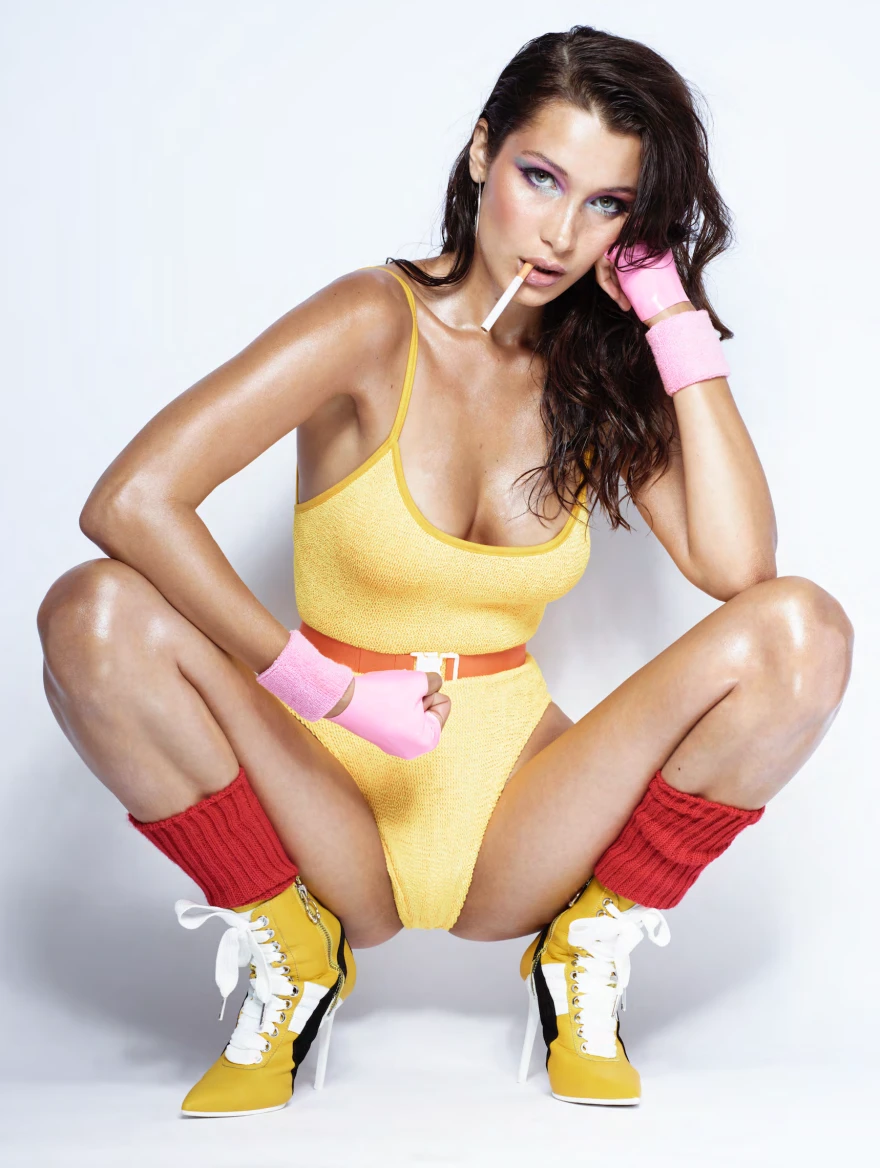
“Bella in Love, 2016” by RANKIN
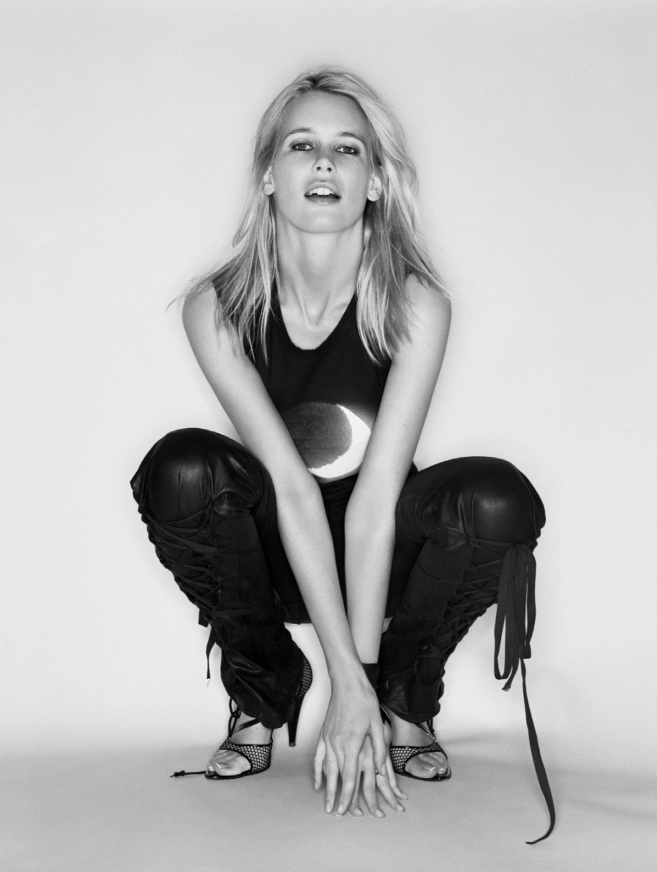
“Claudia Schiffer, Crescent Moon 2003” by RANKIN
At this level, modelling becomes a form of performance. The smallest adjustment — the turn of a head, the tension of a hand, the direction of a gaze — can change the entire meaning of an image. The great models understand this instinctively. They do not simply respond to the photographer; they contribute to the authorship of the photograph. The result is a kind of visual negotiation, where the photographer’s concept and the model’s presence become impossible to separate.
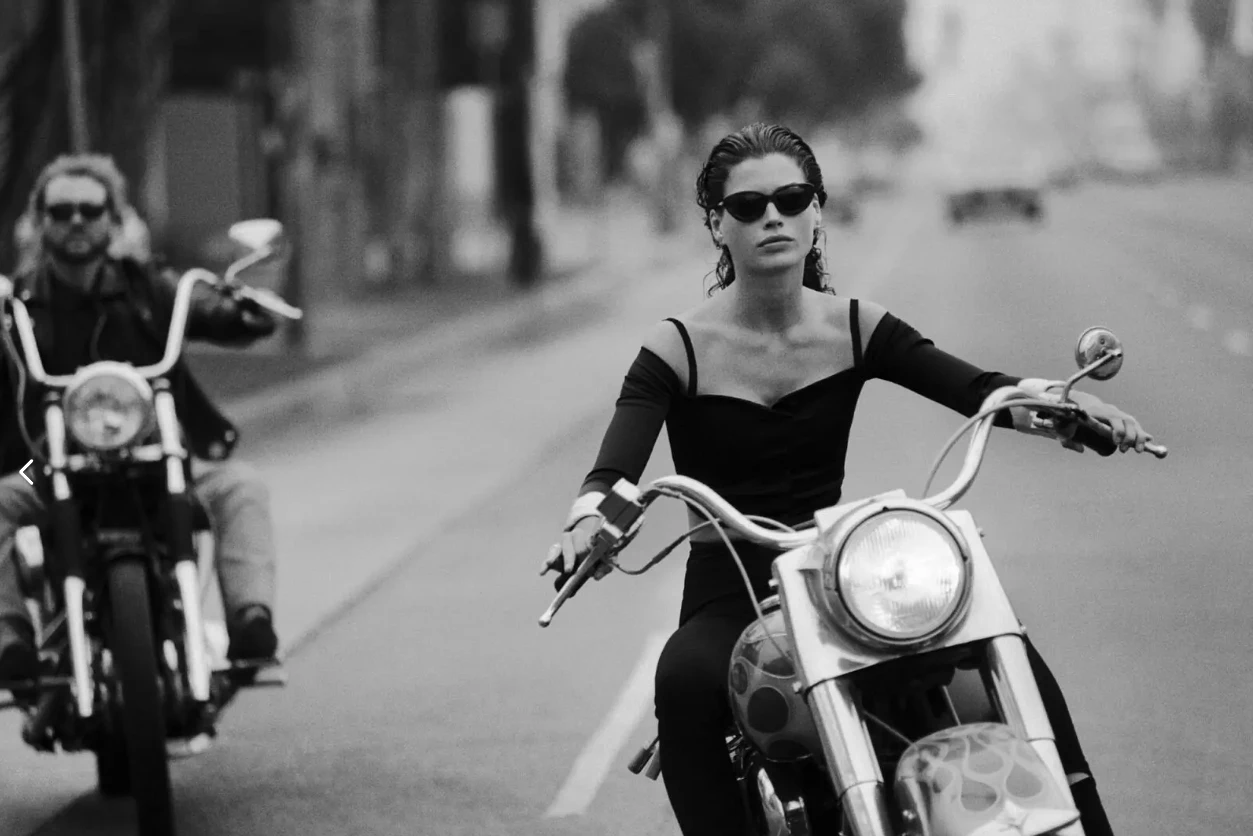
“Carre Otis on Motorcycle, LA 1990” by ALBERT WATSON
Seen across several decades, these works also reveal how the idea of the fashion icon has evolved. The supermodels of the 1980s and 1990s established a new kind of celebrity, while later generations inherited a world in which fashion, media and personality were already deeply intertwined. Yet the essential quality remains the same: an icon is created when an image captures something larger than appearance alone — an attitude, an aspiration, a particular idea of femininity or beauty that comes to define its moment.

“Bullit, Christy Turlington and Lind Evangelista” by ELLEN VON UNWERTH
“Becoming Iconic” is therefore not simply a celebration of famous faces. It is about the making of cultural memory. These photographs show how a model can become muse, performer, celebrity and symbol, and how the camera can turn a fleeting encounter into something enduring. Fashion may provide the setting, but the strongest images ultimately transcend it. They do not merely show us who was famous. They show us how an icon was made.
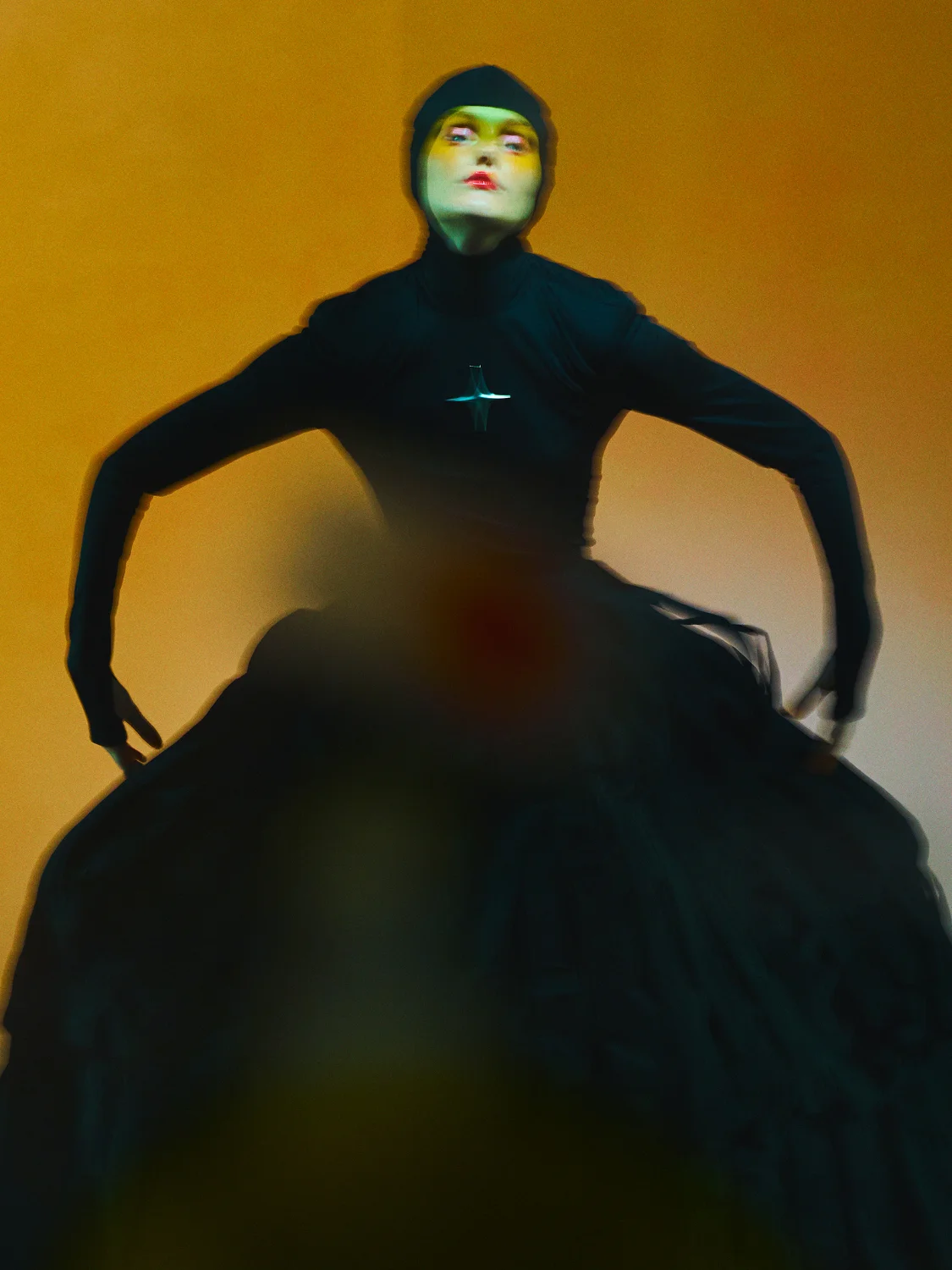
“Lili Chapman in Balenciaga for Grazia, Paris 2022” by KRISTIAN SCHULLER