What happens when we look at an animal not simply as a representative of a species, but as an individual? British photographer Tim Flach has built an extraordinary body of work around this question. Renowned for his meticulously composed portraits of animals, Flach brings the visual language traditionally reserved for human portraiture into the animal world. His subjects do not merely appear before the camera; they confront us, seduce us and, at times, seem to look back with an unsettling degree of self-possession.
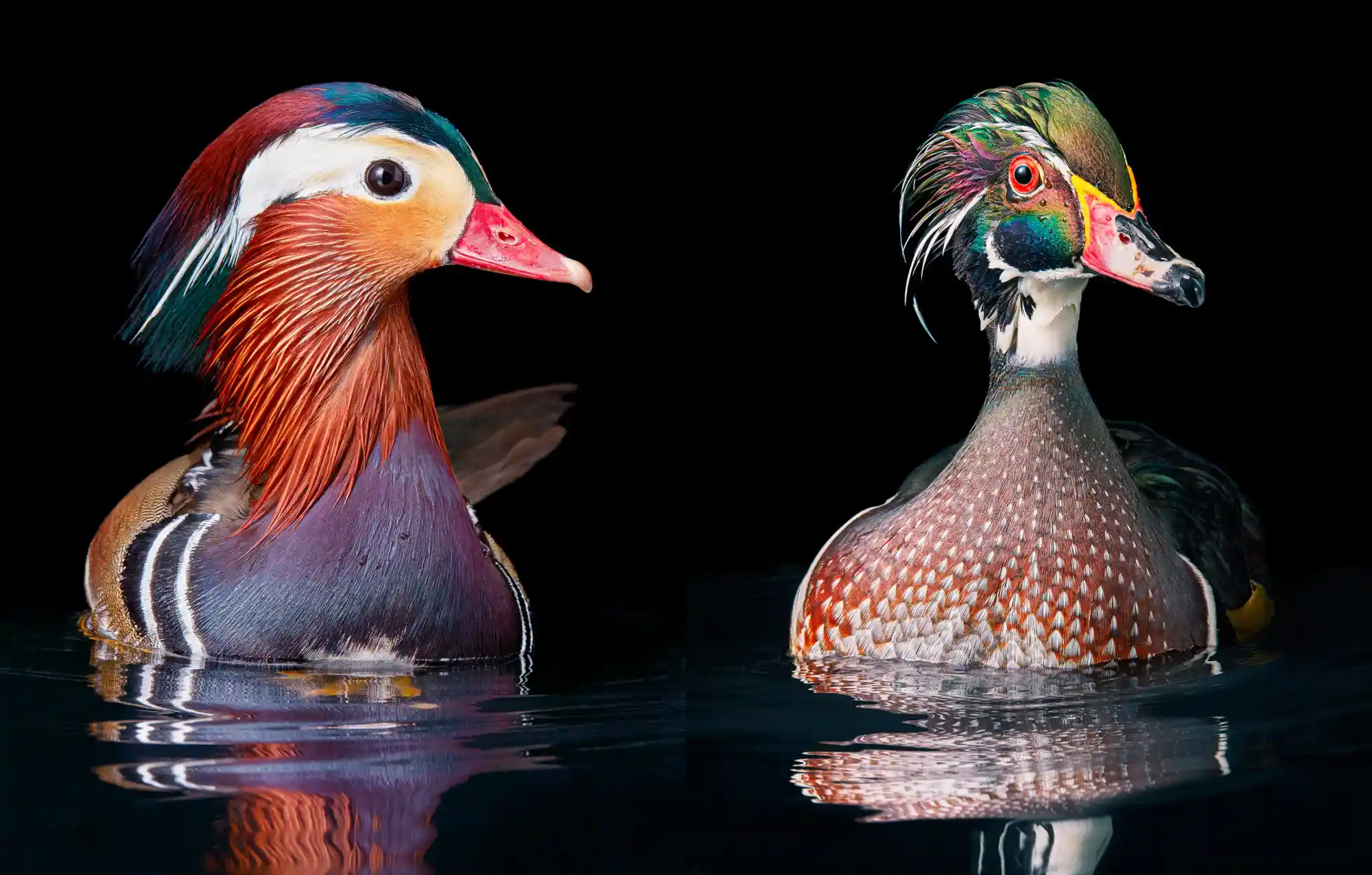
“Mandarin Duck & Wood Duck” by TIM FLACH
Our first presentation of Flach’s work brings together photographs from several of his celebrated series, revealing the remarkable breadth of his practice. From the almost sculptural Featherless Chicken to the saturated brilliance of the Hyacinth Macaw, each image transforms its subject into a presence. Removed from the visual noise through which we usually encounter animals, feather, skin, eye and gesture acquire an unexpected intensity.
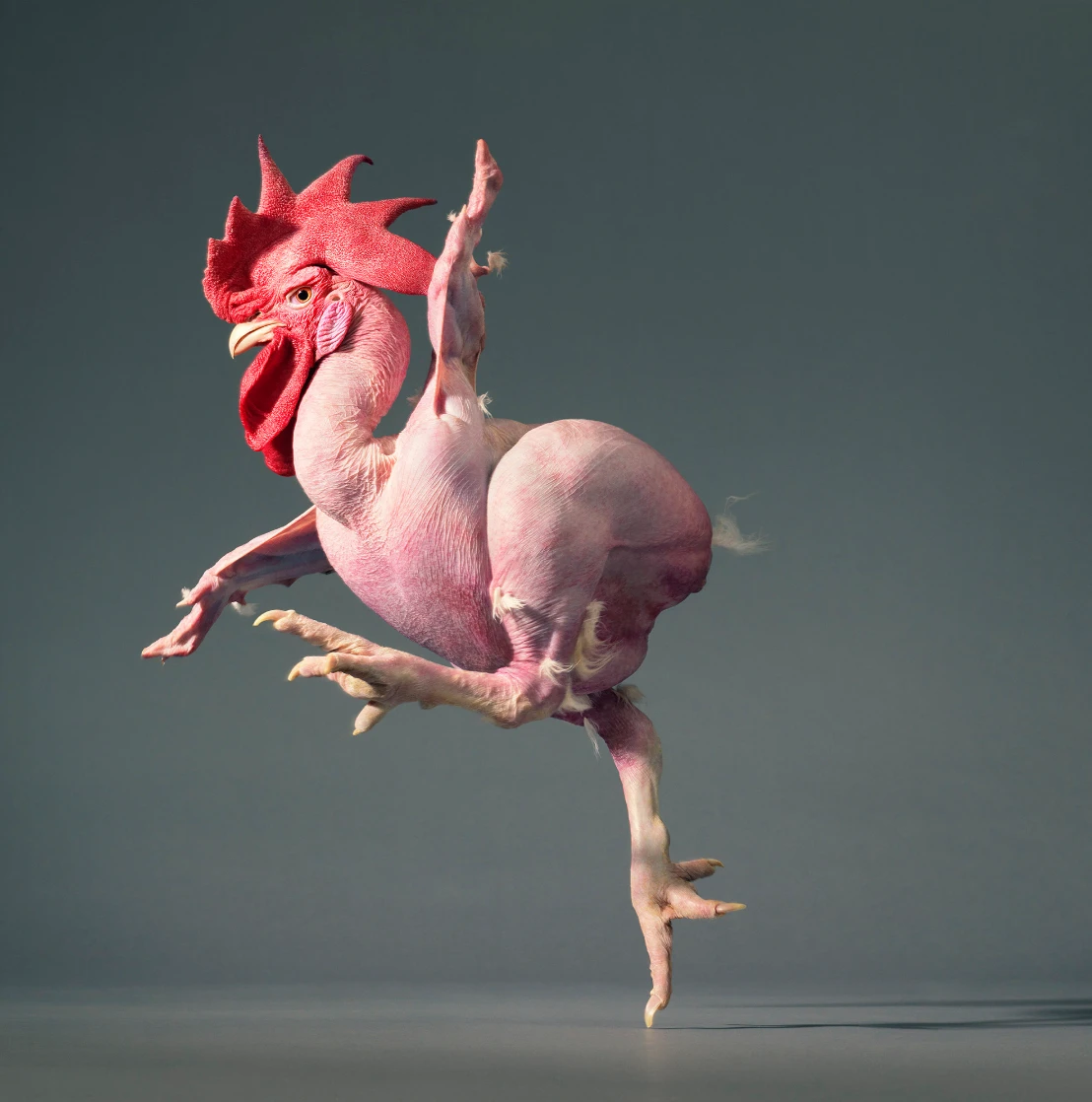
“Featherless Chicken” by TIM FLACH
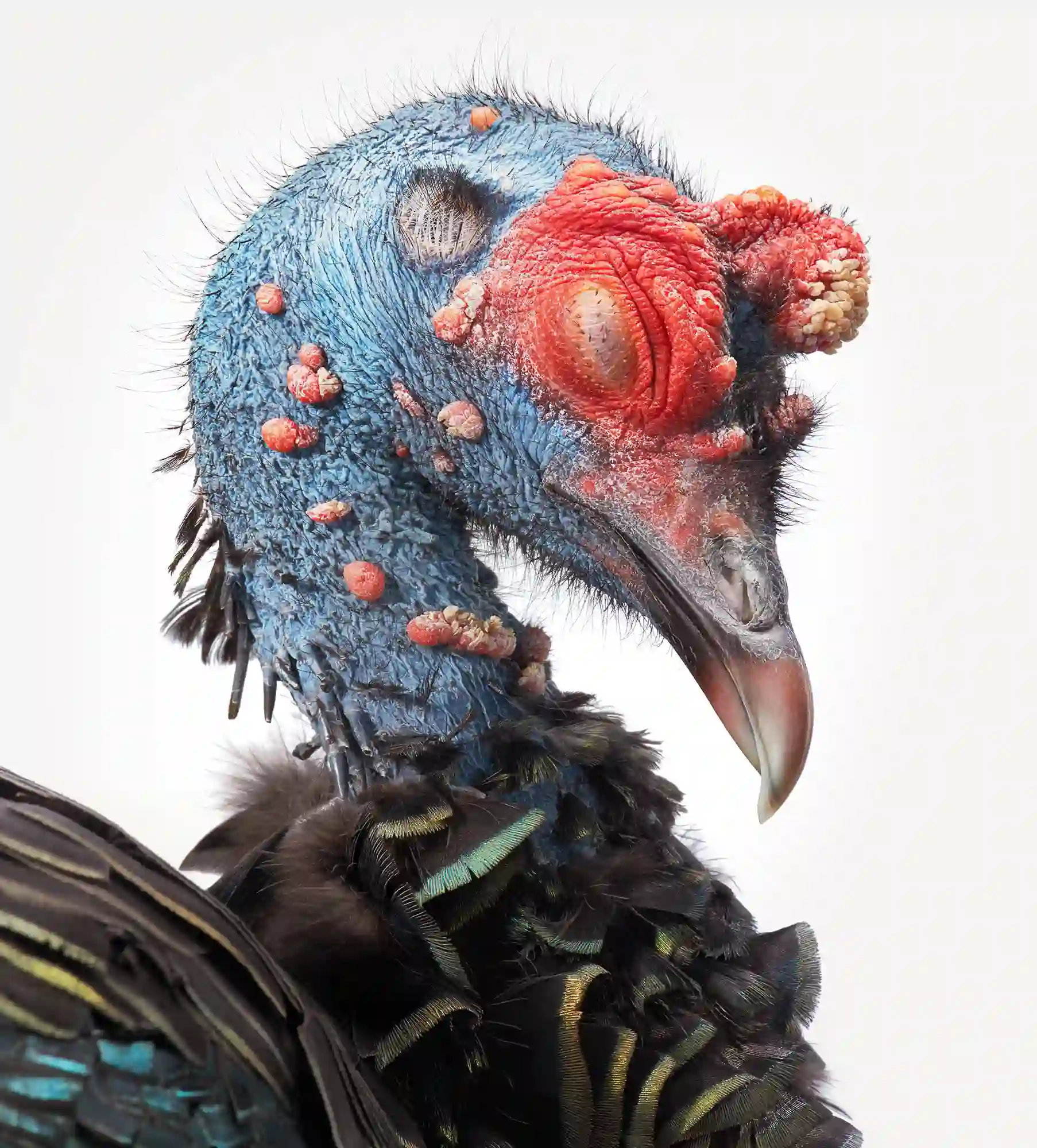
“Oscellated Turkey” by TIM FLACH
This sense of encounter is central to Flach’s photography. He often employs the conventions of portraiture. Controlled light, carefully considered backgrounds, frontal composition and an acute attention to expression, yet the sitter belongs to another species. The effect is both familiar and strange. We instinctively search for character, temperament, pride, vulnerability or humour. In doing so, the photographs quietly turn the question back on us: how much of the human do we recognise in the animal, and how much of the animal remains within ourselves?
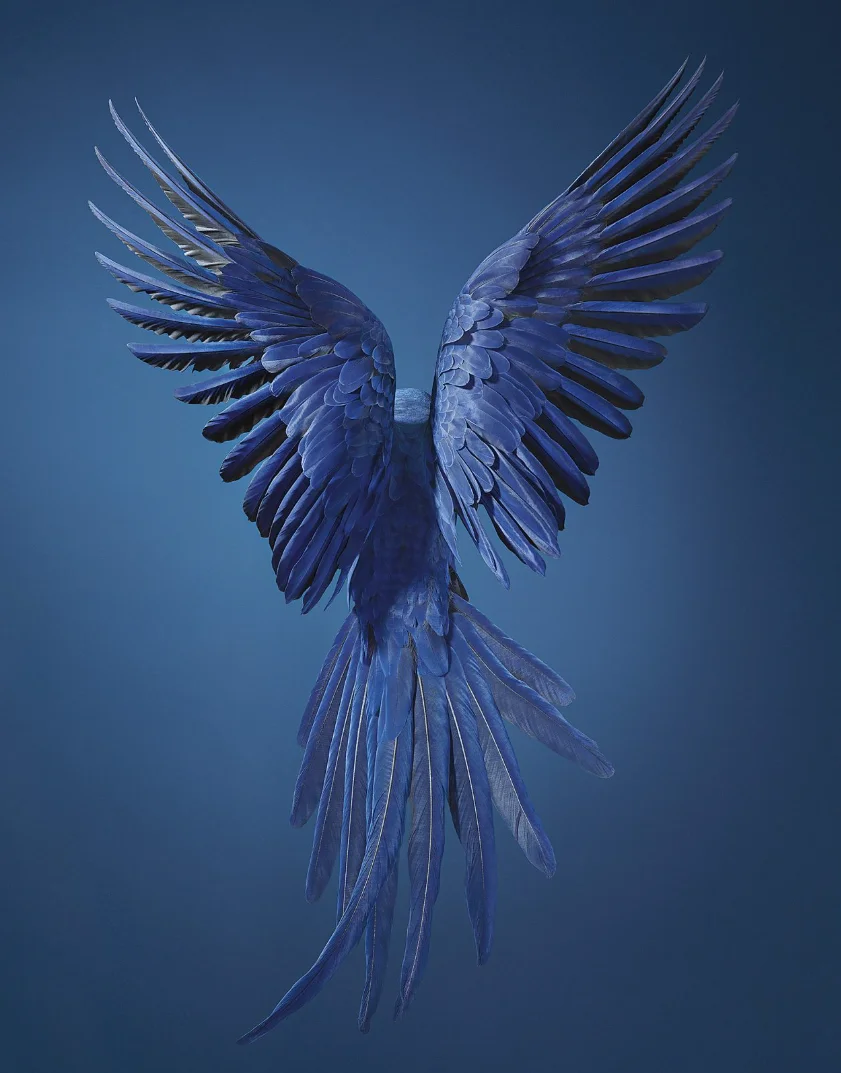
“Hyacinth Macaw” by TIM FLACH
That tension is particularly important in Flach’s work on endangered species. His landmark Endangered project grew out of extensive dialogue with scientists and conservationists and was conceived not simply to document animals at risk, but to make their disappearance emotionally imaginable. Beauty here is not decoration. It becomes a form of attention. By allowing us to encounter an animal as a singular being rather than an abstract statistic, Flach makes questions of biodiversity, extinction and our responsibility towards the natural world unexpectedly personal.
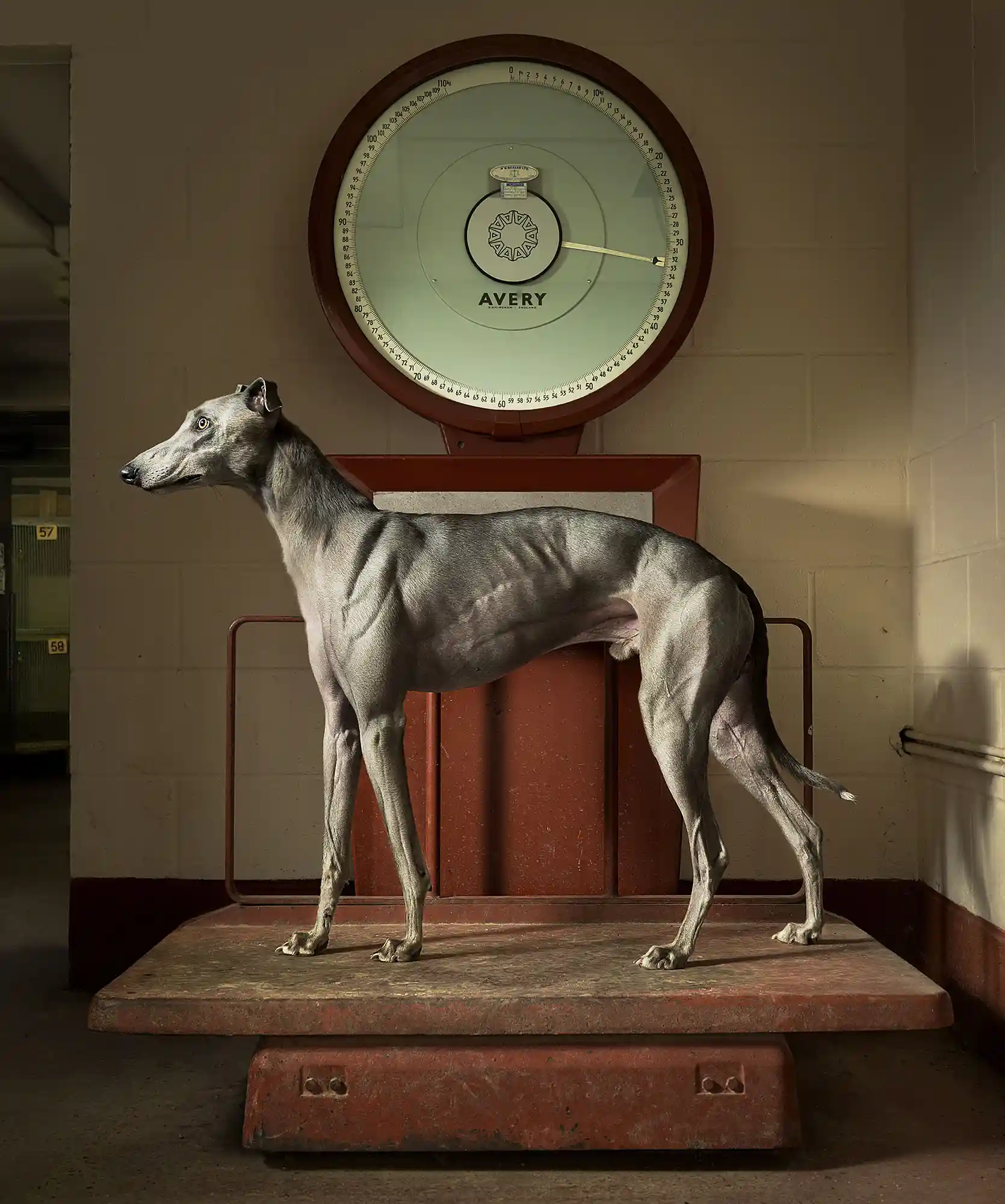
“Greyhound Scales, Kinda Ready” by TIM FLACH
Yet his photographs are never limited to the language of conservation. A greyhound assumes the poise of an ancient sculpture; the improbable anatomy of a featherless chicken becomes almost surreal; the brilliant plumage of a cardinal appears at once biological and theatrical. Elsewhere, horses and birds are presented with a sensitivity to line, form and surface that connects photography to painting, sculpture and the long history of the portrait. Flach moves confidently between scientific observation and aesthetic invention, allowing us to admire the extraordinary intelligence of nature without reducing it to illustration.
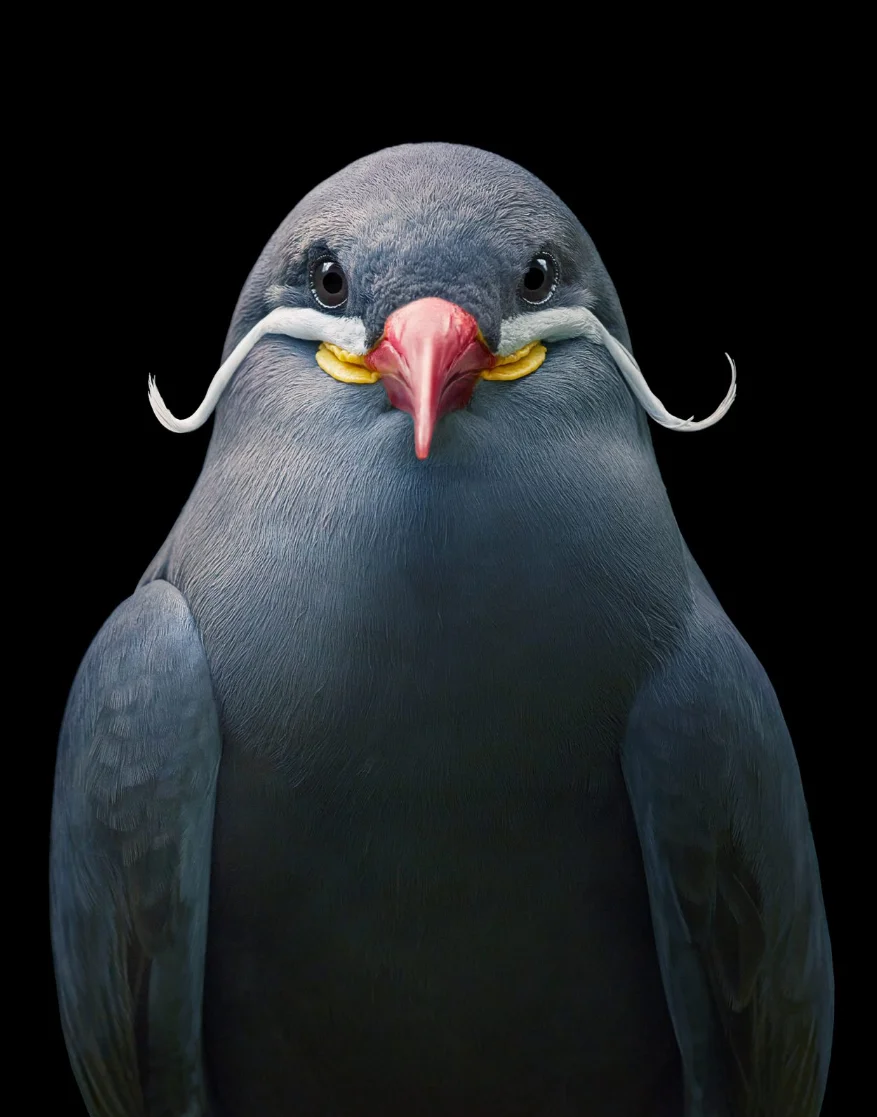
“Inca Tern” by TIM FLACH
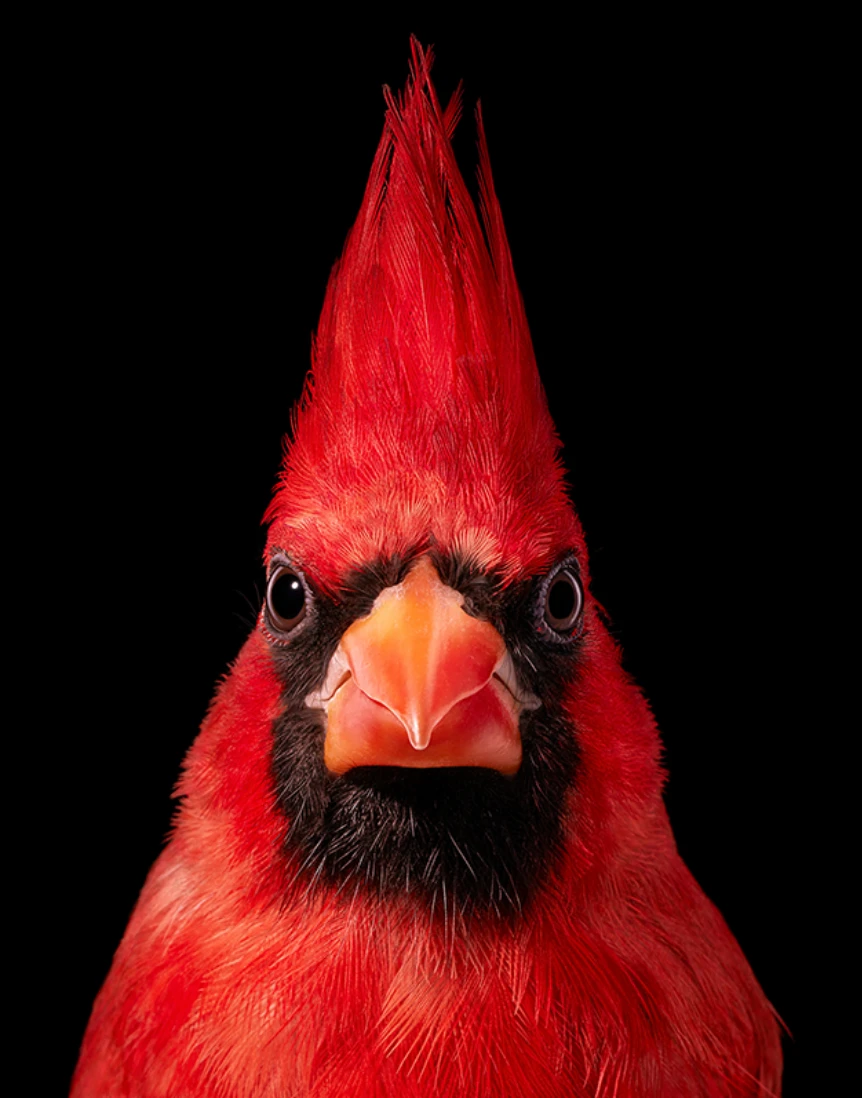
“Northern Cardinal” by TIM FALCH
This is also what gives the works their particular strength within a collection. They are immediately compelling, but their accessibility should not be mistaken for simplicity. Beneath their visual precision lies a sophisticated meditation on perception, representation and our changing relationship with the non-human world. They can be enjoyed instinctively from across a room, while sustained looking continually reveals new ambiguities. Between beauty and fragility, familiarity and otherness, documentation and constructed image. It is this ability to operate on several levels at once that allows Flach’s photographs to hold their presence over time.
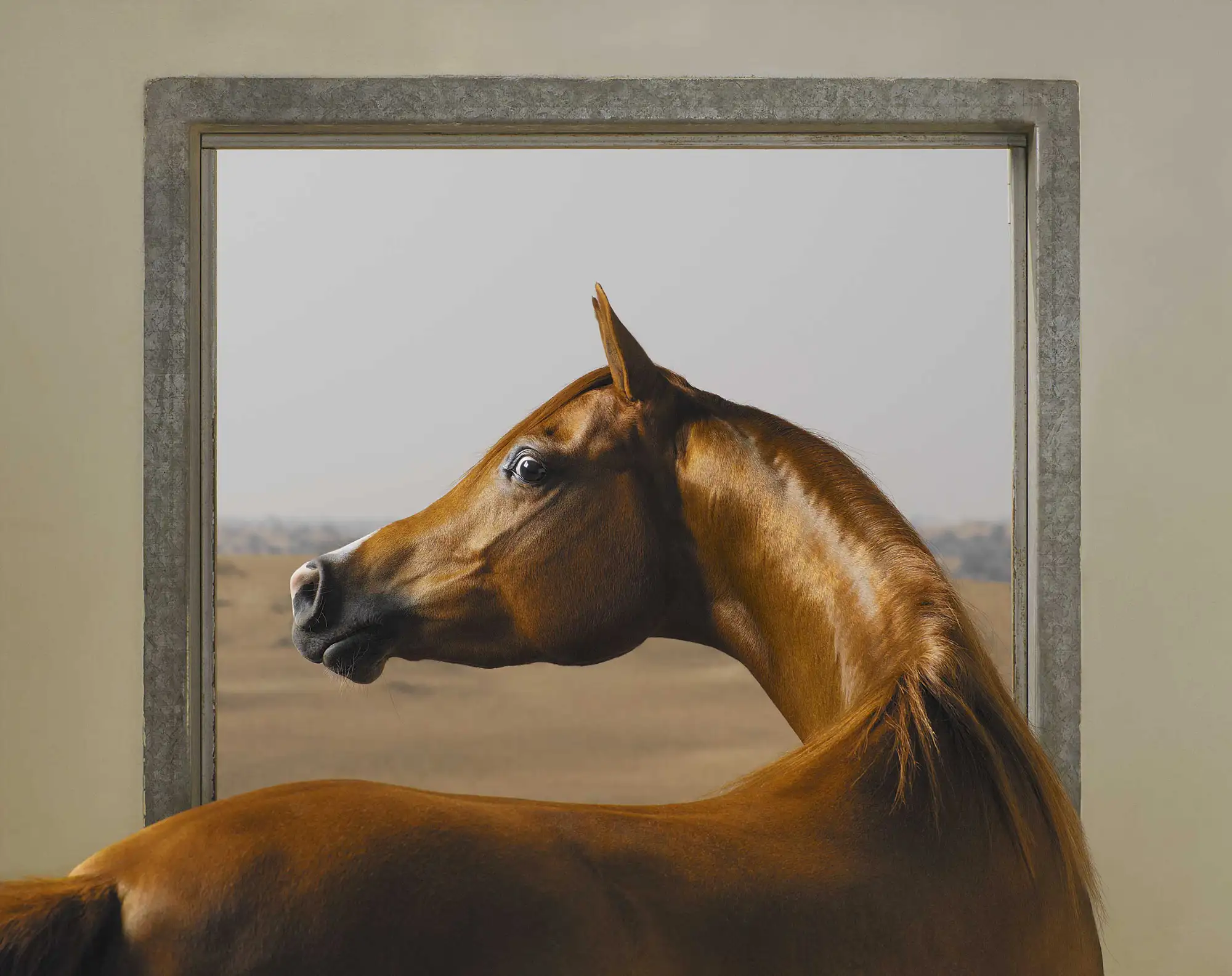
“Windows Chestnut” by TIM FLACH
On 17 September 2026, we are delighted to welcome Tim Flach to the gallery for a special presentation of his work. The evening will offer an opportunity to hear directly from the artist about the encounters, research and ideas behind his images, as well as the extraordinary practical process involved in creating them. Following the presentation, guests will also have the opportunity to meet the artist and join us for a signing.
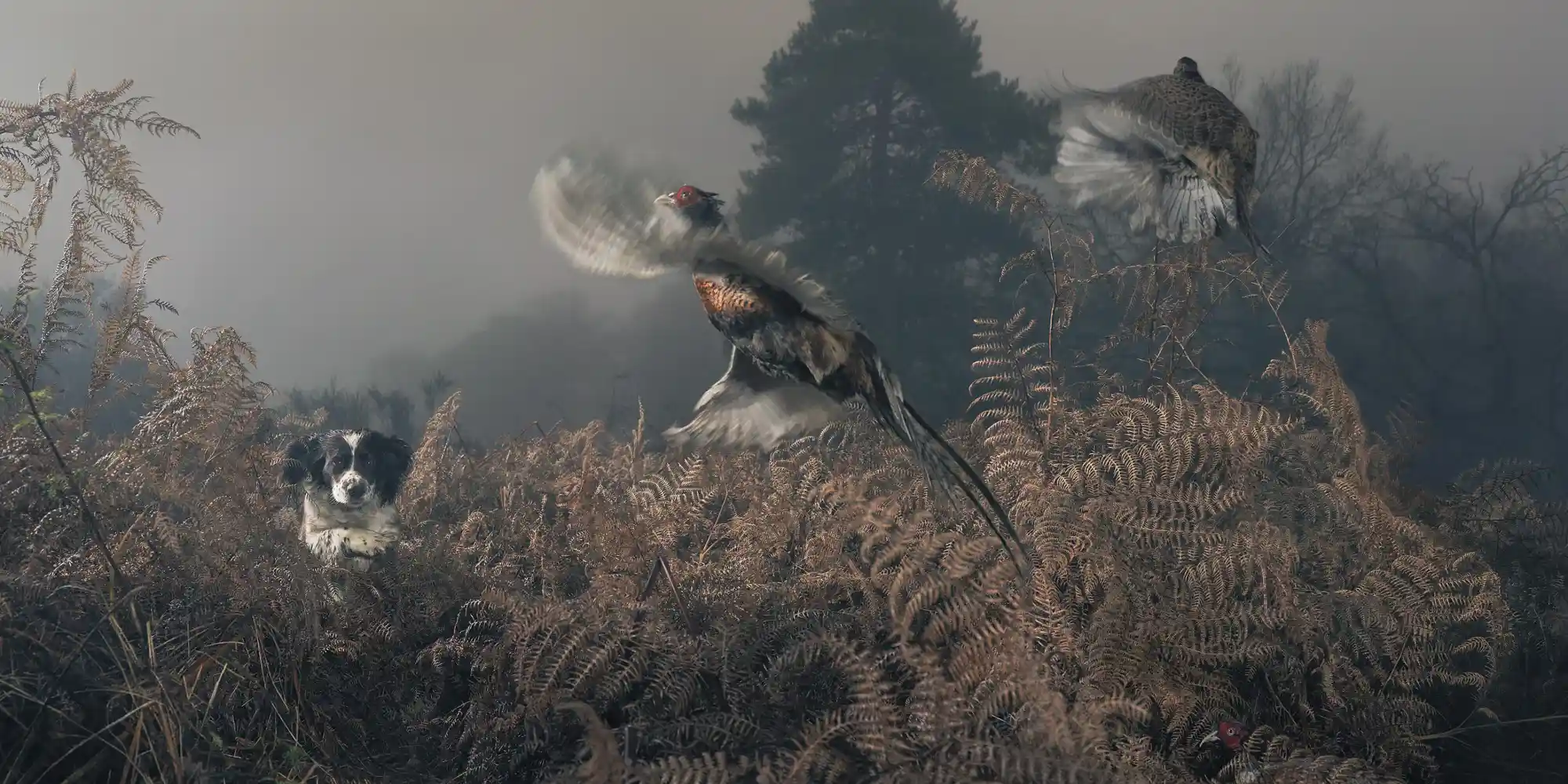
“Penny working the bracket” by TIM FLACH
For collectors encountering Tim Flach for the first time, this exhibition offers an opportunity to discover a photographer whose images have already entered an international visual consciousness while remaining deeply rewarding as physical works of art. At a moment when our relationship with nature has become one of the defining questions of our time, Flach asks us to do something deceptively simple: to look more closely. What begins as a portrait of another species ultimately becomes a reflection on our own way of seeing and on what we choose to value, protect and preserve.
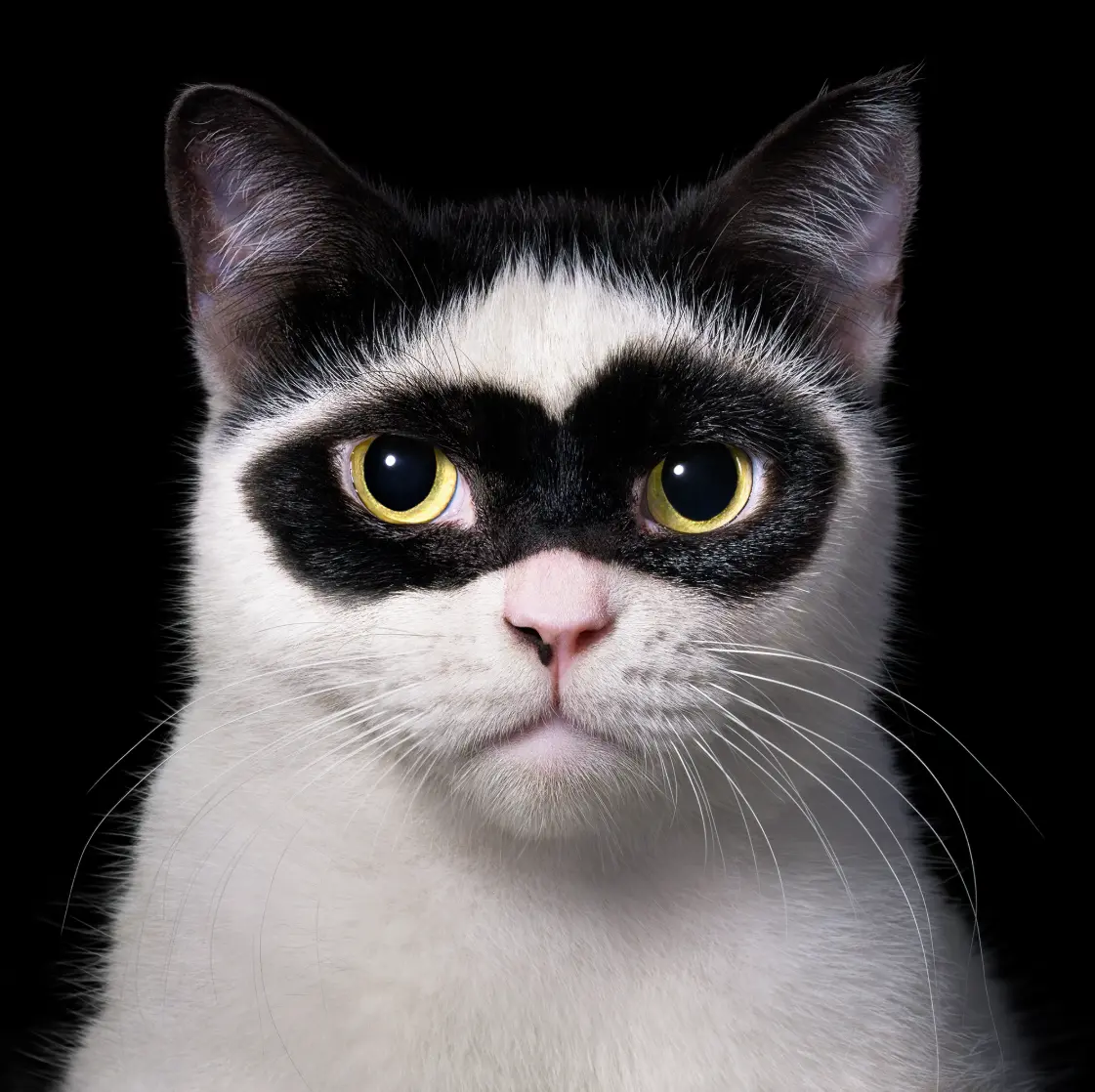
“Domestic Shorthair” by TIM FLACH