Photography begins with reality, but it never ends there. A camera may record what stands before it, yet every photograph is shaped by a sequence of deeply subjective choices: where to stand, what to exclude, when to release the shutter and how to translate light, space and time into a two-dimensional image. In the hands of Massimo Listri, Nigel Parry, Howard Schatz, Gérard Uféras and Albert Watson, documentation becomes interpretation—and familiar places become sources of emotion, abstraction and self-reflection.
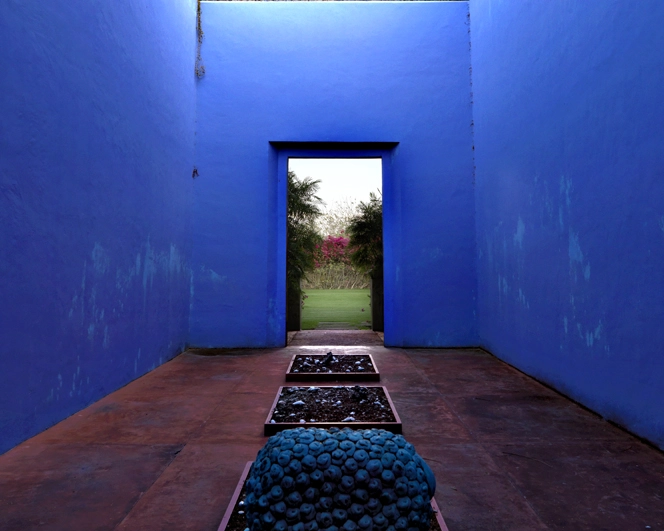
“Yucatan Mexico” by MASSIMO LISTRI
Massimo Listri photographs architecture with the stillness and precision of a Renaissance perspective study. His palaces, libraries and ceremonial interiors are frequently empty, allowing symmetry, ornament and receding corridors to assume a presence of their own. Works depicting historic spaces like the Vatican Library or Versailles, belong to the very heart of a practice devoted to architecture and interiors. Yet Listri does more than preserve their appearance: his balanced compositions reveal how buildings embody knowledge, faith, wealth and cultural authority. The rooms become portraits of the societies that created them.
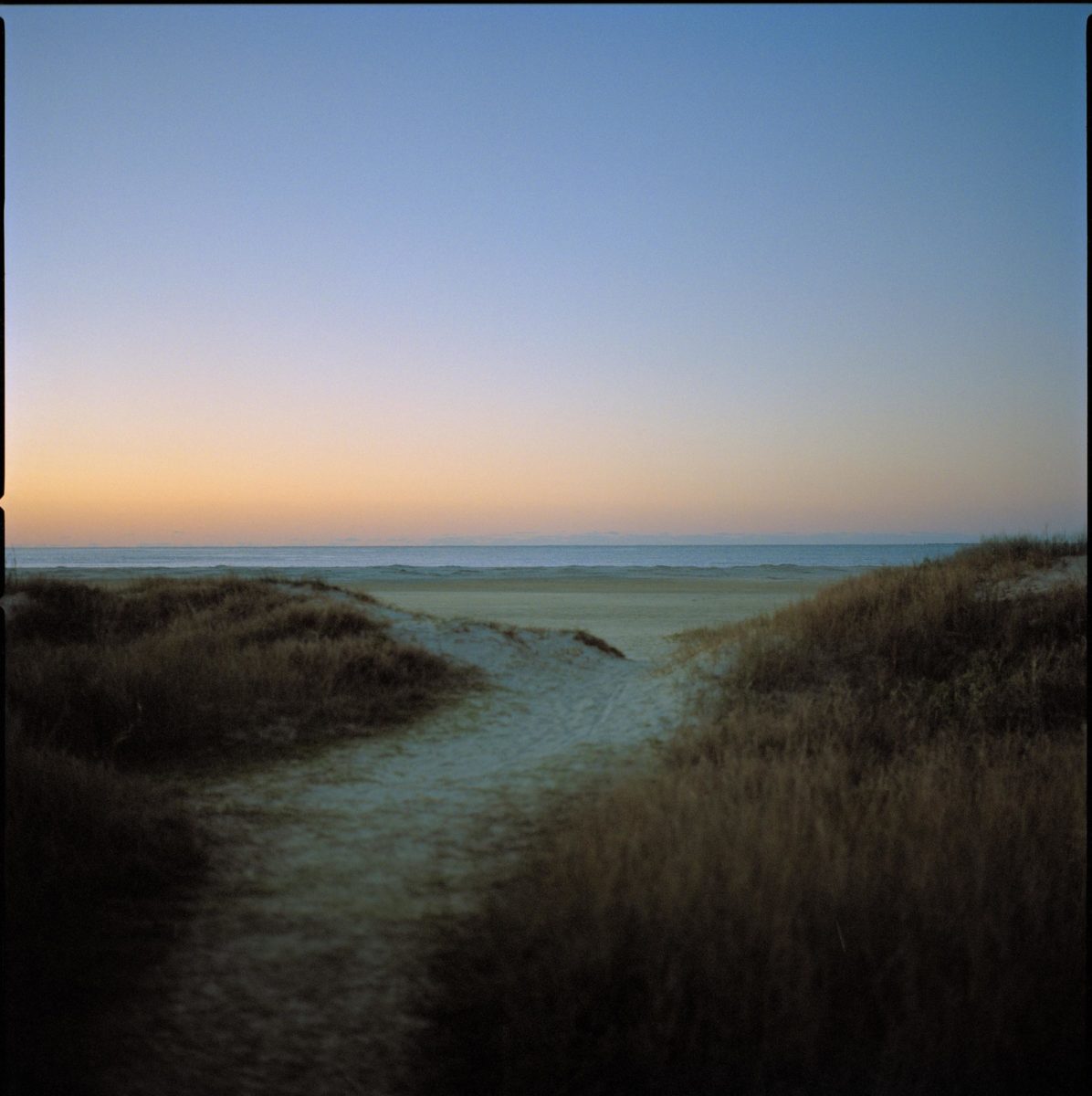
“Sullivan Island” by NIGEL PARRY
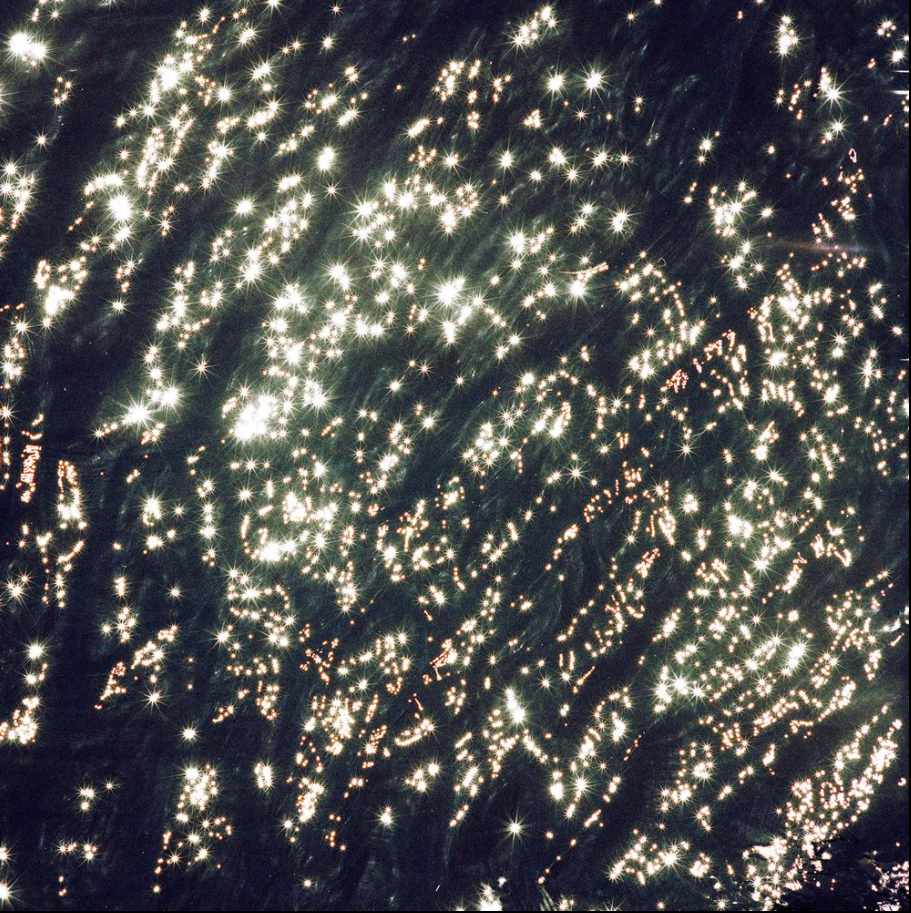
“River Sun” by NIGEL PARRY
With Nigel Parry, the landscape moves in the opposite direction—away from architectural clarity and toward sensory uncertainty. Better known for psychologically incisive portraiture, Parry approaches waterways, horizons and reflected light as though they, too, possess an inner life. His film-based landscapes, photographed with medium- and large-format cameras, soften recognizable scenery into shimmering fields of colour reminiscent of abstract painting. The Sullivan’s Island and river images are therefore not a departure from portraiture so much as an expansion of it: intimate portraits of atmosphere, weather and fleeting perception.
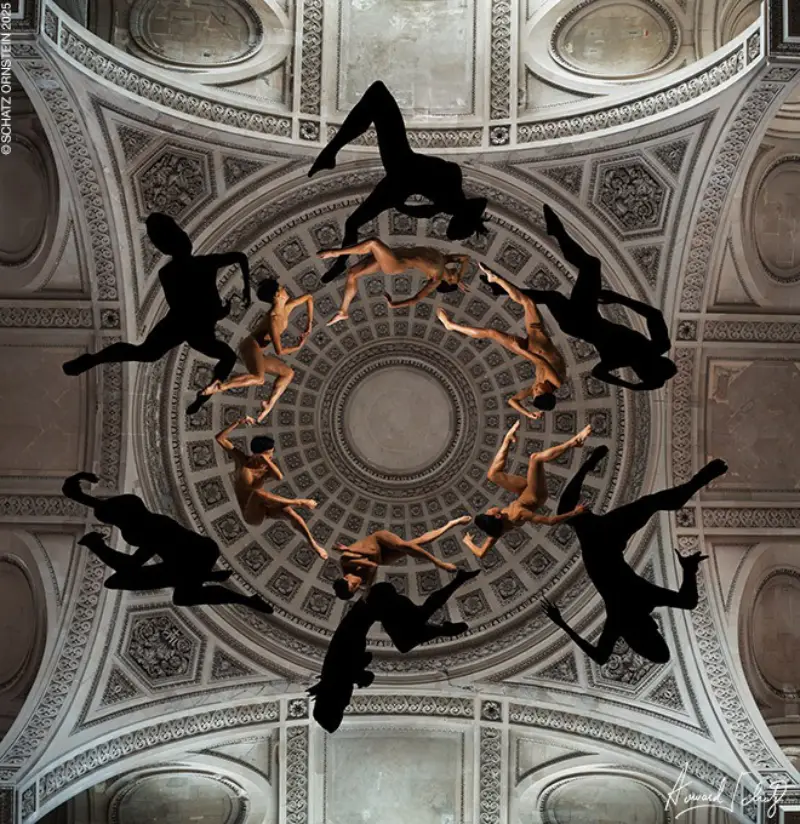
“Dance Study” by HOWARD SCHATZ
Howard Schatz transforms the human body into a landscape of line, rhythm and architectural tension. His long-term explorations of dance, motion and underwater movement treat the body not merely as a subject but as a living material capable of producing temporary sculptures. In the Dance Study presented here, physical reality remains visible, yet the unusual viewpoint and carefully organised forms push the image toward abstraction. Schatz’s dancers occupy a central place within his broader practice, reappearing throughout projects concerned with water, light, movement and the expressive possibilities of the body.
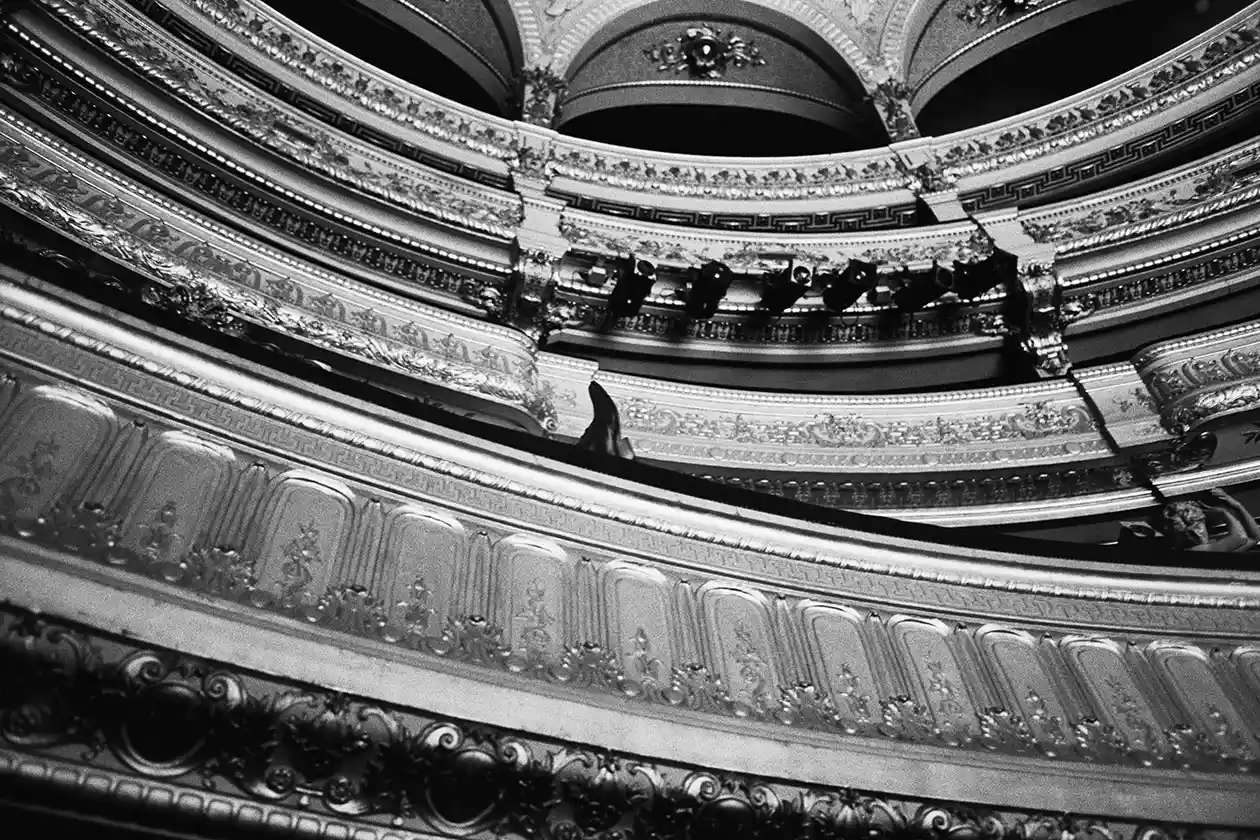
“Théâtre National de l’Opéra Comique” by GÉRARD UFÉRAS
The photography of Gérard Uféras is rooted in a fascination with theatre, music and the private rituals surrounding performance. Since the late 1980s, he has worked extensively behind the scenes of European opera houses and ballet companies, photographing spaces and people normally hidden from the audience. In his image of the Théâtre National de l’Opéra Comique, the architecture becomes a stage in itself: balconies curve like musical phrases, shadows turn into scenery and the auditorium seems to wait for something to begin. Yet, on closer inspection, a single foot protrudes casually from one of the balconies. Slightly cheeky and wonderfully out of place amid the grandeur, this small detail introduces an unmistakable sense of human presence. It is precisely this affectionate attention to informal gestures—the moments that interrupt ceremony and reveal the person within it—that makes Uféras’s work so distinctive.
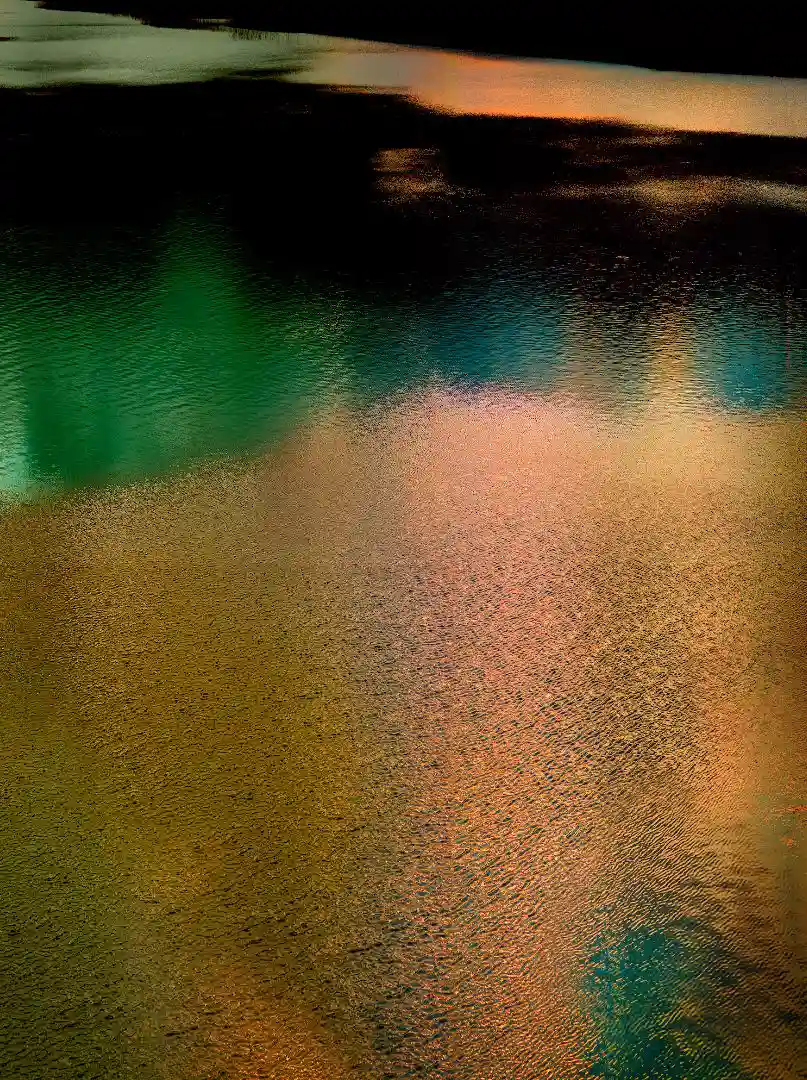
“Bank of Loch Fada III, Isle of Skye, Scotland, 2013”
by ALBERT WATSON
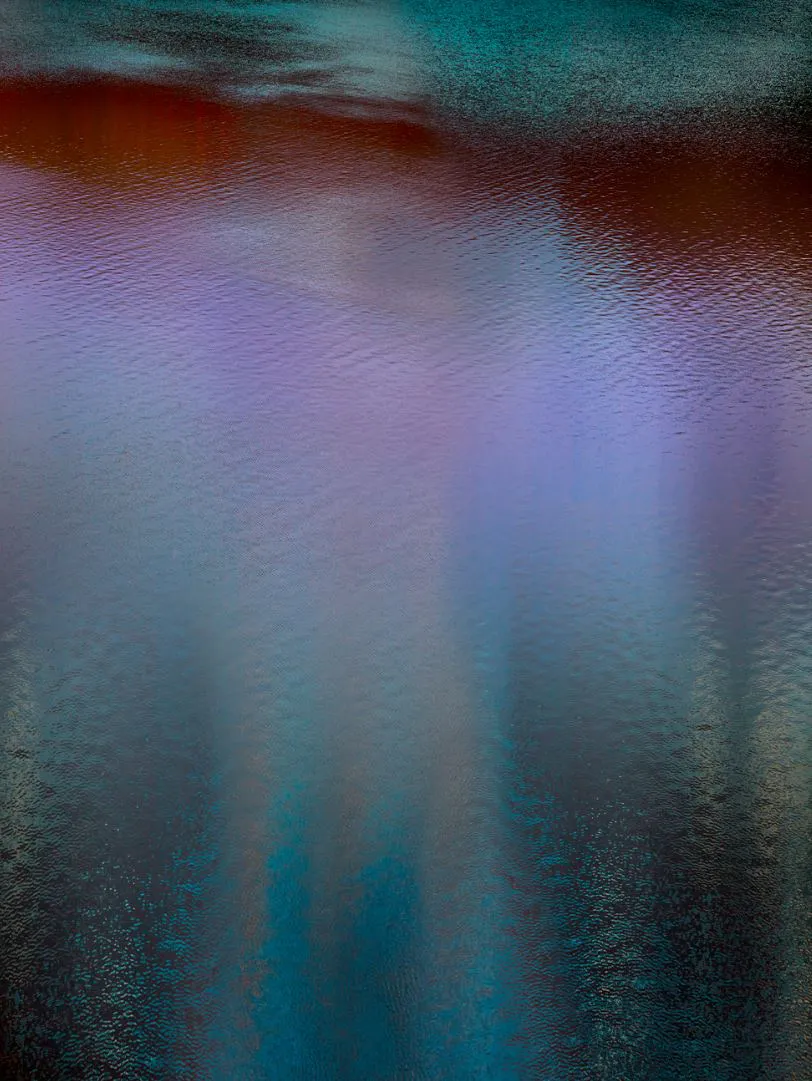
“Bank of Loch Fada II, Isle of Skye, Scotland, 2013”
by ALBERT WATSON
Albert Watson’s photographs of the Isle of Skye reduce landscape to its emotional essentials. Water, mist, vegetation and reflected colour dissolve into painterly bands that hover between physical place and remembered experience. Considered his first major fine-art project and one of his most personal bodies of work, the series stands apart from the fashion and portrait photography for which he became internationally known. Rather than producing picturesque views, Watson uses the Scottish landscape to explore texture, silence and mood, drawing attention to the uncertain boundary between what we see and what we imagine.
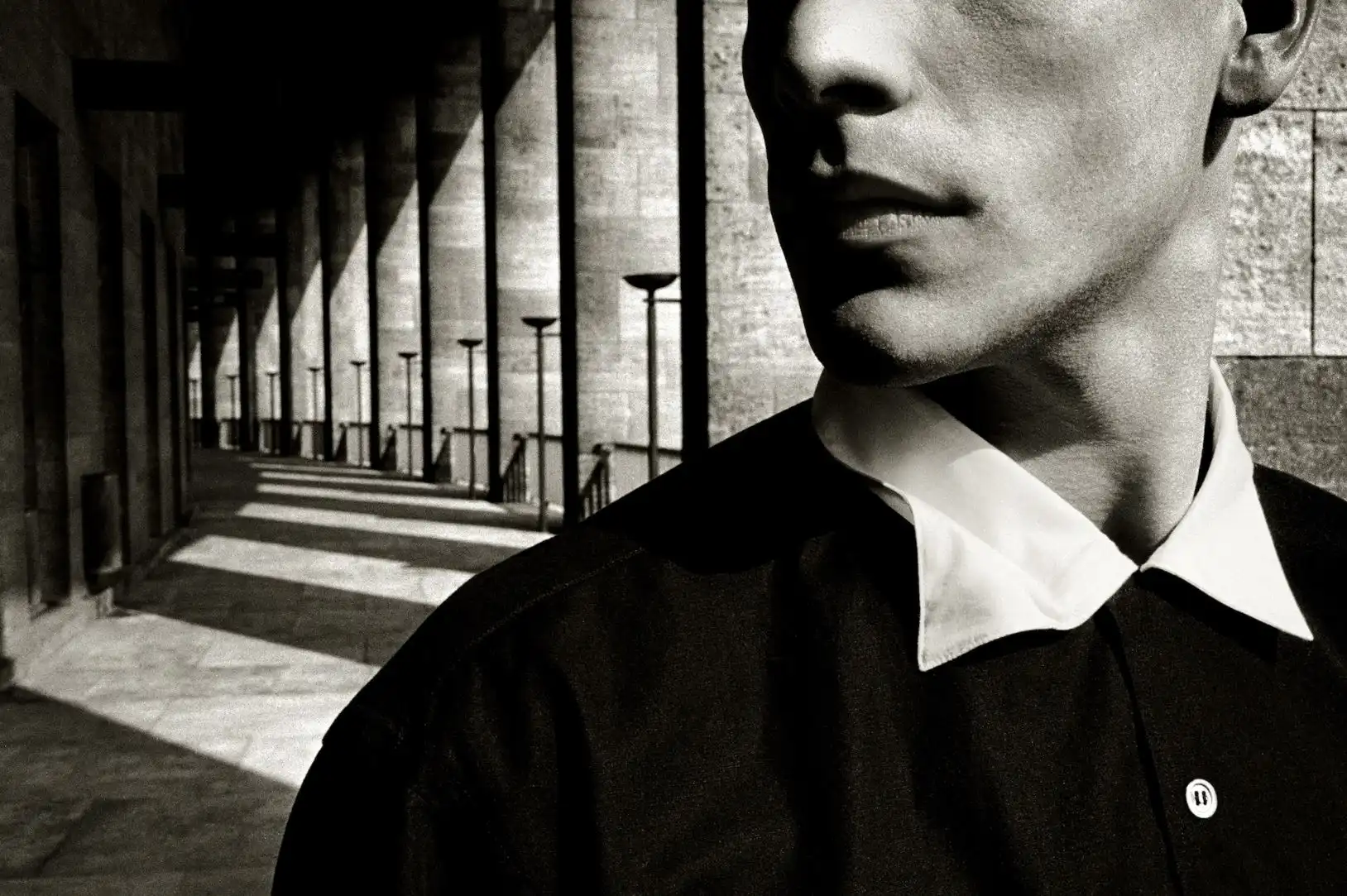
“Olympic Stadium, Berlin, 1988” by ALBERT WATSON
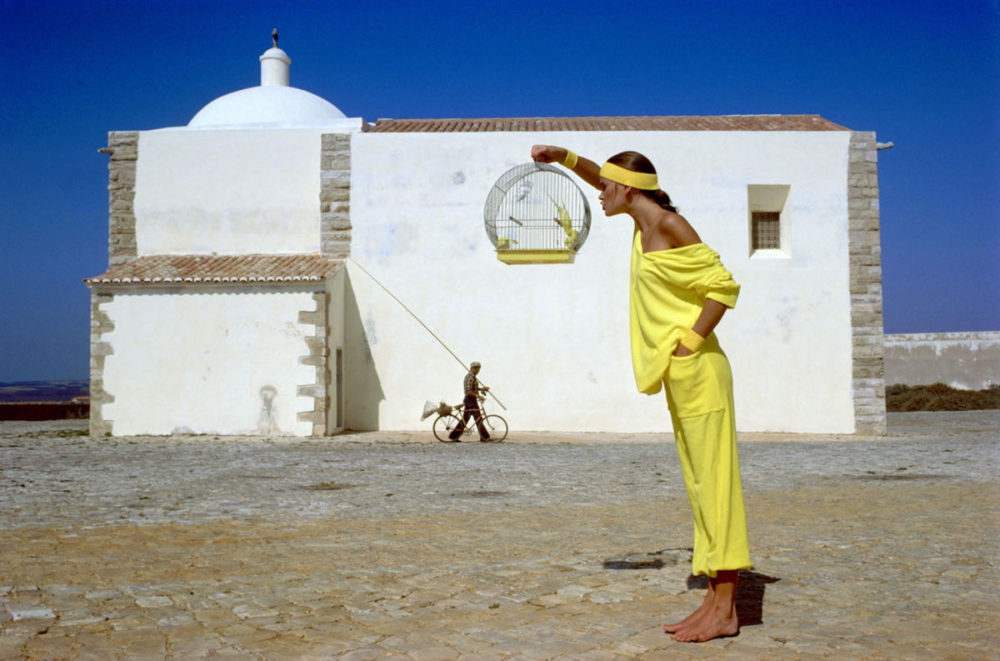
“Julie Foster, Portugal 1977” by ALBERT WATSON
That same ability to move beyond description also defines Watson’s commissioned work. His brilliantly staged portrait of Juli Foster in the Algarve, created for a 1977 British Vogue shoot, transforms fashion, architecture and Mediterranean light into an almost surreal visual puzzle. At Berlin’s Olympic Stadium, an editorial for Stern featuring Comme des Garçons becomes an austere study of repetition, shadow and the relationship between body and building. Across both commissioned and independent projects, Watson consistently exceeds the immediate purpose of the photograph, creating images whose formal precision and emotional ambiguity allow them to endure as works of art.
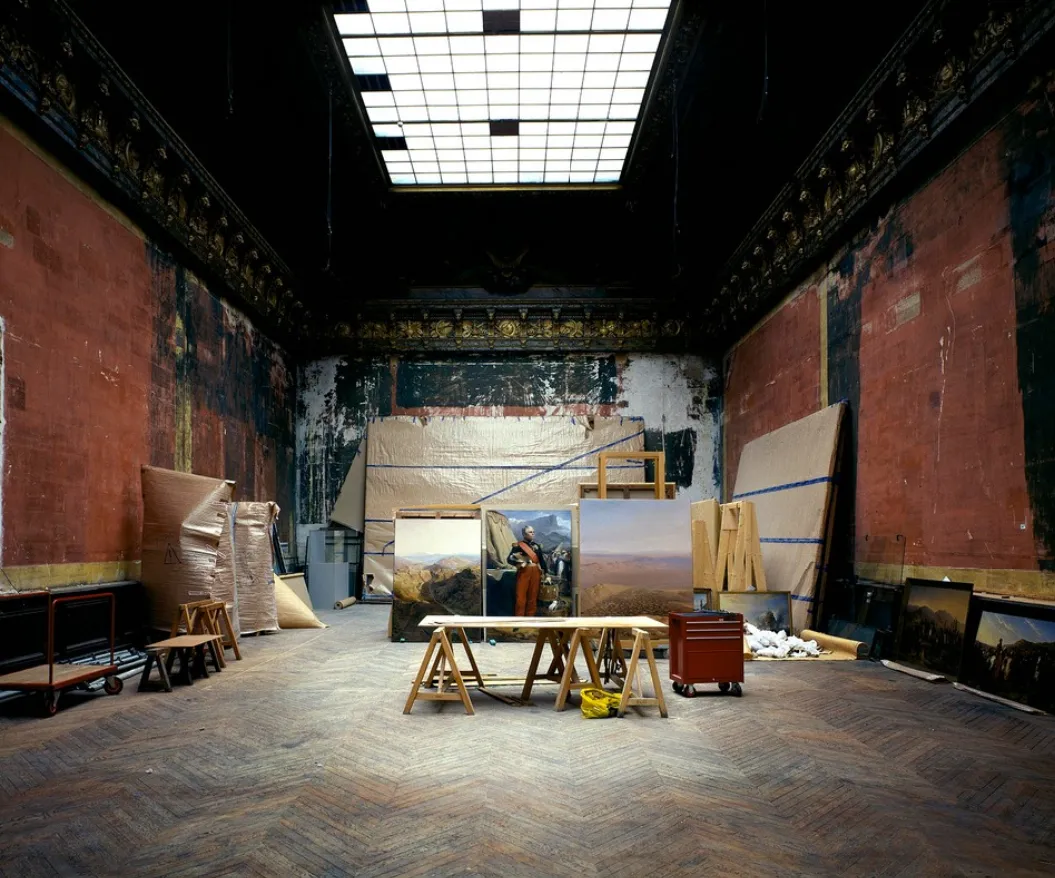
“Versaille II” by MASSIMO LISTRI
Across these images, reality is not merely preserved but transformed—filtered through attention, intuition and the artist’s particular way of seeing. Architecture becomes memory, landscape becomes emotion, and the human figure becomes rhythm, symbol or trace. Their power lies in this quiet shift from the visible world to an interior one: each photograph invites contemplation, awakens associations and reflects something of the culture and moment from which it emerged. Rather than offering a single meaning, these works create space for feeling, interpretation and self-reflection—the very space in which art begins.
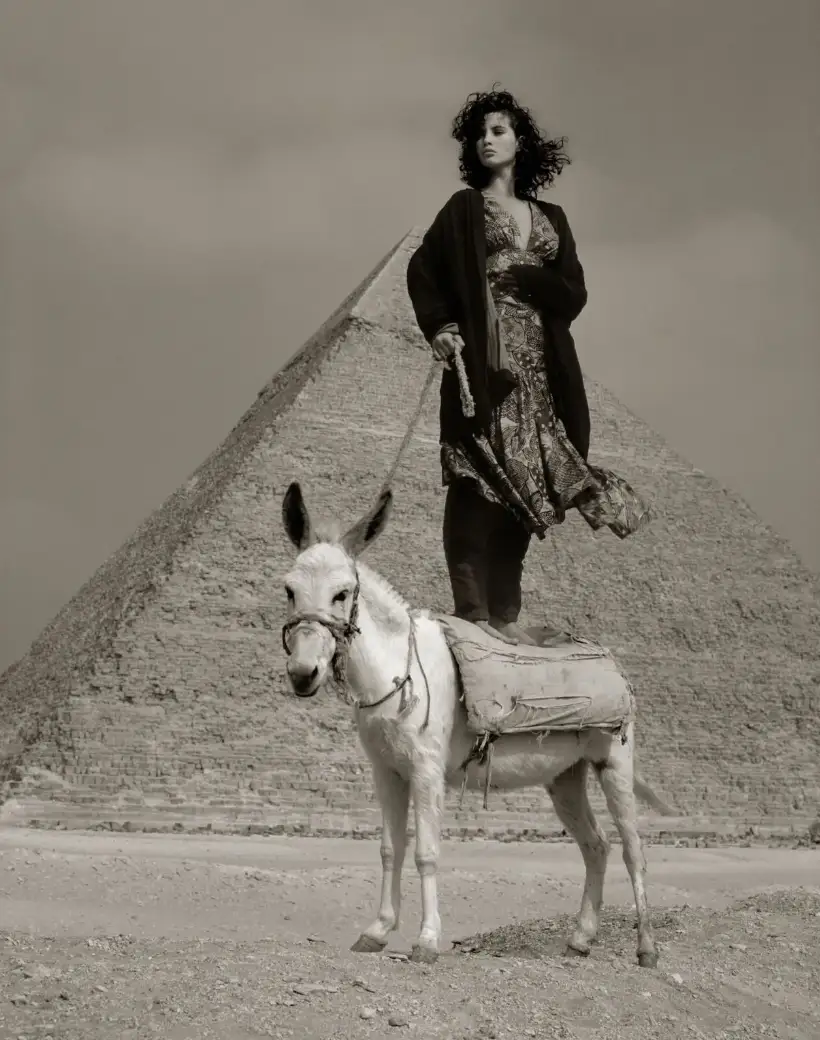
“Christy Turlington, Valley of the Kings, Egypt 1987” by ALBERT WATSON
To collect one of these limited-edition photographs is therefore to collect more than an attractive image of a room, shoreline or figure. It is to live with a particular way of seeing—one that may appear serene from a distance and reveal increasing complexity over time. The rarity of an edition gives the object distinction, but its deeper value lies in the sustained encounter it offers. These are photographs to return to: works that change with the light around them, the space in which they hang and the experiences the viewer brings to them.
All works are available as limited edition fine art prints. For pricing, editions, and availability, contact us at contact@preissfinearts.com or visit us at Bauernmarkt 14, Vienna.